Home
  • About Us
    • Members
    • Leadership
    • Annual Report
  • Powering the Future
    • Our Energy Mix
  • Electrify and Save®
    • On-Bill Repayment
    • Programs
    • Trade Ally
  • Media
    • Resources
    • Blog
    • Features
    • News
    • Newsletter
    • Podcast
  • Cooperative Benefits
  • Operations
    • Wildfire
  • Search
Menu

Search form

Home Remodeling Tips for Better Energy Efficiency

6/28/2021

Home Remodeling Tips for Better Energy Efficiency

After a long winter, it's finally time to get outside and enjoy your property again! But before you start your gardening, take a few minutes to plan out your spring home improvement projects. 

As consumers become more aware of the importance of using energy wisely, there are many new options for home improvement that provide an environmentally friendly way to save money. Here are a few ideas to start with for upgrading your home to a more energy-efficient environment.
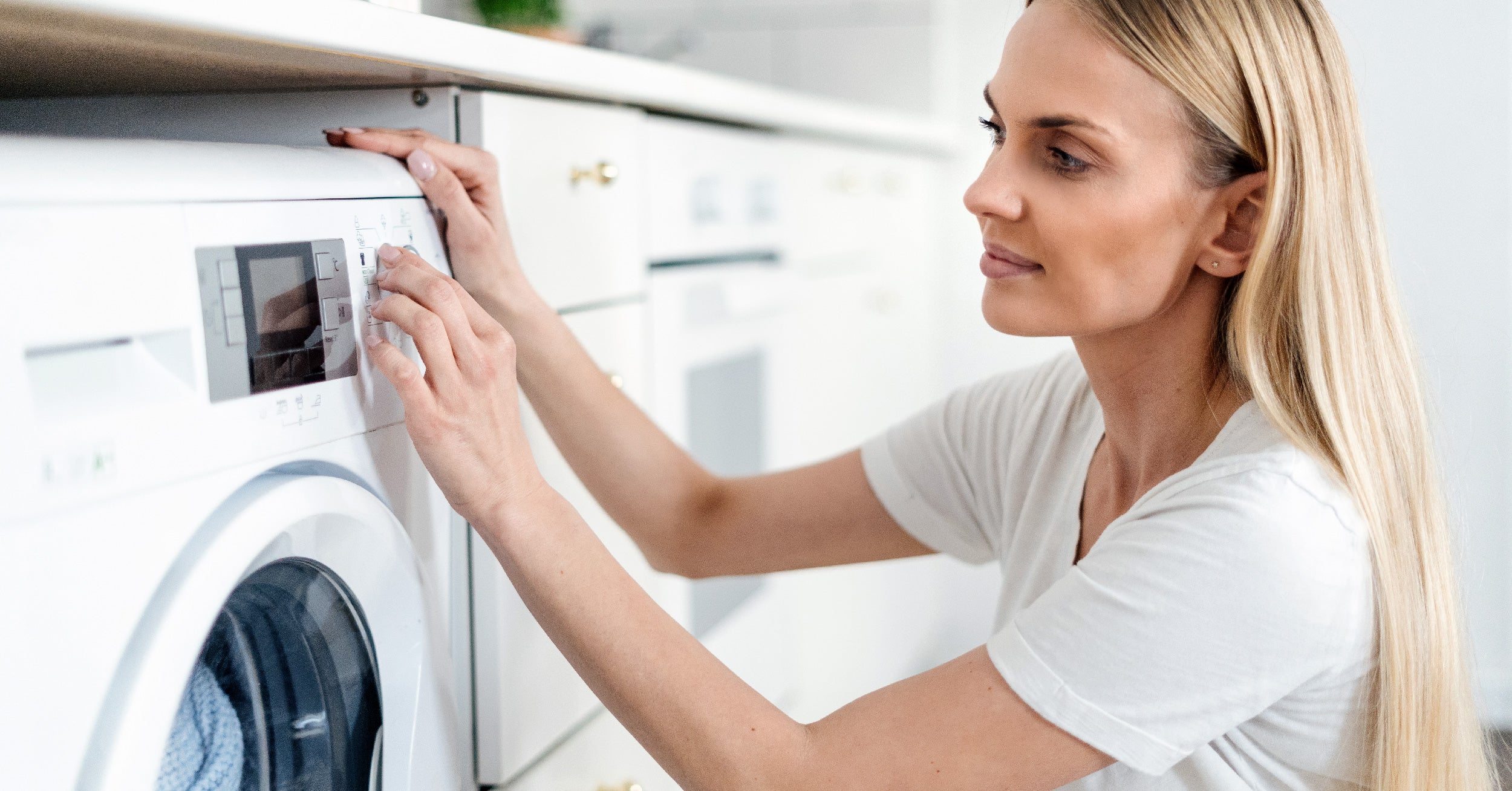
energy efficient washing machines


10 Energy Efficient Home Improvement Ideas

  1. Perform air sealing - Air sealing is a systematic way of finding and sealing air leakage points throughout your home, from the attic to the walls to the basement and/or crawlspace. Caulking and weatherstripping are two simple and effective air-sealing techniques that offer quick returns on investment, often one year or less. A blower door test is the best way to quantify how tight or leaky your home is.  Professional air-sealing contractors use the blower door equipment to measure the rate of air changes as well as to facilitate what areas need improved sealing.

  2. Update lighting with LED lights - Switching to LED lighting is easy, and cost-effective. LED lights use significantly less energy than incandescent and last much longer than both incandescent and fluorescent. 

  3. Install solar blocking window tint - Temperature control window film saves on cooling costs. Solar film can block up to 99 percent of the UV or ultraviolet rays that pass through a window and add heat to the interior of your home.

  4. Integrate smart home technology – Smart home systems such as climate and light automation are now available for residential applications. Occupancy and/or scheduled climate and lighting control along with controlled consumer electronic devices can add up to real energy savings over time.

  5. Check insulation levels - Check with the local building code to see what is recommended and then add insulation if you are below code. Adding wall insulation may be cost-prohibitive, but adding attic/ceiling insulation can reduce both heating and cooling loads.  If you are in a predominantly cooling climate, studies show that radiant barriers can reduce cooling costs by 5-10% in places.

  6. Invest in energy-efficient appliances - Energy Star certified refrigerators, dishwashers, clothes washers and dryers are designed to use less energy.  In the kitchen consider induction cooktops for efficiency and safety.

  7. Consider replacing your current HVAC system - Once relegated to only moderate climates, high-efficiency heat pumps can now operate down to -25°. Heat pumps can be used to replace or complement existing systems and can save significant money over time.

  8. Upgrade to an electric water heater. Conventional water heaters are the most common, however, the cost of heating water can consume almost 20 percent of your household budget, not to mention what you’ll also spend on heating and cooling your home. Despite this expense, water heaters are not given much thought until they break, leaving you (and your guests) with no hot water and perhaps, a flooded basement.

  9. Install skylights or solar tubes – Skylights are a way to add natural lighting in areas of the home where it’s usually dim during daylight hours. When properly installed, energy-efficient skylights can help bring light into your home without adding to your energy bills.

  10. Install new windows - One popular home renovation project is installing energy-efficient windows and doors. The return on investment is typically long but installed properly can reduce drafts and improve comfort not to mention improving the look.
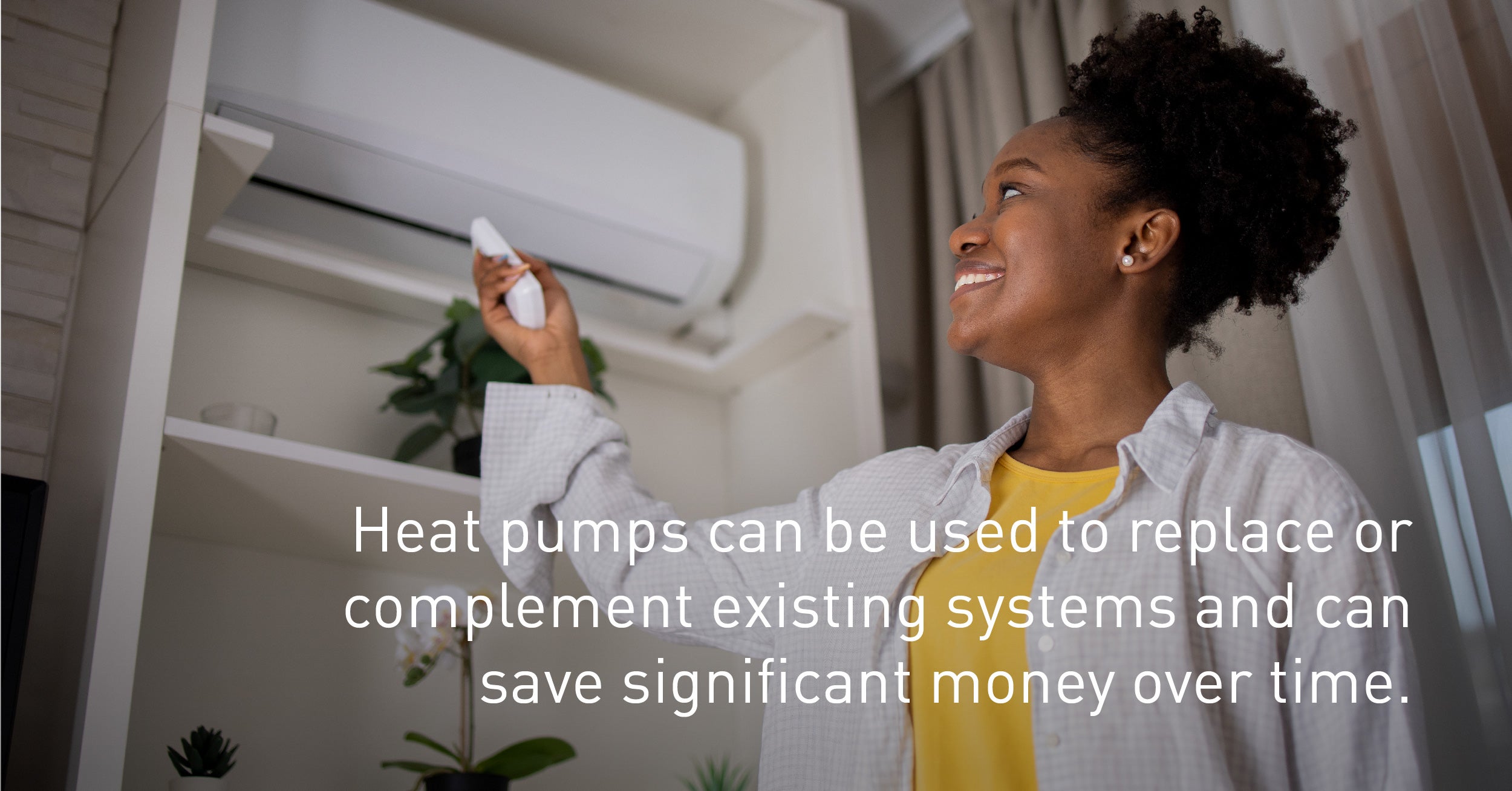
Heat Pumps can save you money over time

As you can see, there are many ways to update your home to include energy-efficient options. If you're looking for help with a renovation project and want one that will save money on energy, contact your local co-op or PPD, or a licensed energy-efficient contractor and ask about any available incentives or rebates. The tips we’ve shared should give you a head start on how to make your home an energy-saving powerhouse. If you want even more information, be sure to check out our blog for other helpful articles.

On-Bill Repayment Program

The great news about energy-efficient upgrades like purchasing new windows or installing a heat pump, is there are often programs and rebates available to help with, or even cover the cost. 

If you're looking for help with a renovation project and want one that will save money on energy, contact your local co-op or PPD, or a licensed energy-efficient contractor and ask about any available incentives or rebates. 

on bill repayment home upgrades


Electrify and Save™ 


--

About Tri-State

Tri-State is a power supply cooperative, operating on a not-for-profit basis, serving electric distribution cooperatives and public power district member-owners in four states. Together with our members, we deliver reliable, affordable and responsible power to more than a million electricity consumers across nearly 200,000 square miles of the West. Visit www.tristate.coop.    


Contributor:

Mike Frailey, Beneficial Electrification Analyst

Post Tags
Electrify and Save™

Blog Posts

Energy Saving Maintenance Checklist for Small Businesses

Energy Saving Maintenance Checklist for Small Businesses

Even if you don’t own a small business, you likely know someone who does. They’re the lifeblood of our rural communities, from the neighborhood barber to the downtown coffee shop. Whether you’re the owner or a loyal patron, running a business is a lot of work. Small business owners do it all, and that often includes maintenance that can help reduce energy costs. Our Energy Saving Maintenance Checklist for Small Businesses is a good place to start if you're working on your list of to-dos.
Peter Rusin, Member Relations Manager
Read more >
The Benefits of Heat Pumps in Cold Climates
The Benefits of Heat Pumps in Cold Climates

Many people are still learning about the benefits of heat pumps and what they can do. Heat pumps are especially beneficial in cold weather climates. A heat pump is part of a home heating and cooling system and is installed outside the home. Here are five main types of heat pumps
Peter Rusin, Member Relations Manager
Read more >
How to Create an Energy-Efficient Laundry Room

How to Create an Energy-Efficient Laundry Room

No matter how big or small, every laundry room has the potential to use less energy. By increasing your laundry room's energy efficiency, you will see a lower bill and might be able to take advantage of rebates through your electric cooperative or public power district. Read on to learn more.
Lonnie Tucker, Relationship Manager
Read more >
Energy Saving Tips While You're Away on Vacation
Energy Saving Tips While You're Away on Vacation

There’s already a lot of prep work that goes into taking a trip. Between planning, finding a pet sitter and catching a flight on time, you don’t need more complications. So, keep it simple with these five easy steps before heading out the door.
Matt Fitzgibbon, Beneficial Electrification Manager
Read more >
Benefits of Installing an Attic Fan for Summer

Benefits of Installing an Attic Fan for Summer

If you're considering installing an attic fan but aren't sure if it would be a good fit for your house, here are a few points to consider about attic fans, how they function, and how installing one can improve the energy efficiency of your home.
Matt Fitzgibbon, Beneficial Electrification Manager
Read more >
How to Prepare Your Home for a Summer Heat Wave
How to Prepare Your Home for a Summer Heat Wave

During summer heat waves, air conditioning can be a real lifesaver.  Many homes in cooler climate states aren’t always equipped with air conditioning, so when an unexpected heat wave hits, many residents rely on other ways to stay cool without AC. No matter where you live, it’s important to be prepared for hot summer days with efficient cooling and a plan in place to stay comfortable.
Matt Fitzgibbon, Beneficial Electrification Manager
Read more >
Home Energy Efficient Tips for Spring

8 Home Energy Efficient Tips for Spring
Do you want to make your home more energy-efficient, but don't know where to start? Spring is the perfect time to buckle down on home improvement projects before the summer heatwaves begin. Here are some simple, affordable home improvements to tackle this spring to help you cool off and save energy.
Matt Fitzgibbon, Beneficial Electrification Manager
Read more >
Tips for a More Energy Efficient Home

11 Tips for a More Energy Efficient Home
Energy waste is one of the most common household expenses, and while energy companies are working to develop cleaner, more efficient solutions, there is still more that can be done when you make adjustments at home.
Matt Fitzgibbon, Beneficial Electrification Manager
Read more >
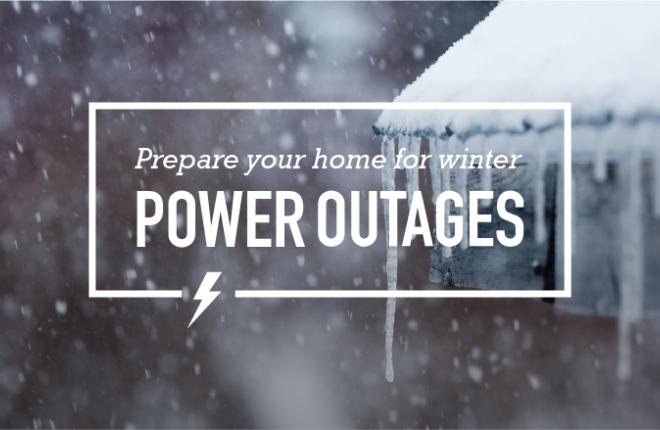
Best Ways to Prepare Your Home for a Power Outage

Best Ways to Prepare Your Home for a Power Outage

Power outages occur in every part of the country, sometimes during the coldest months of winter. While we recommend being prepared for a power outage, regardless of the cause, if the forecast calls for severe winds, heavy rains, snow or ice it is best to be ready. Here are some steps you can take.
Kent Mahanna, MPH, CSP Senior Manager Safety & Security
Read more >

Pagination

  • First page« First
  • Previous page‹ Previous
  • Page   1
  • Currently on page   2
  • Page   3
  • Page   4
  • Next pageNext ›
  • Last pageLast »

Subscribe

* indicates required
Join our mailing list for
updates and member news.


Quick links

  • Dark Fiber
  • Wildfire
  • Financials
  • Board Meetings
  • Member Tools
  • The Cooperative Difference
  • Privacy Policy
  • Terms and Conditions
  • Careers
  • Employee login

Tri-State Generation and Transmission Association
Office: 303-452-6111
1100 West 116th Avenue
Westminster, CO 80234

Mailing address:
PO Box 33695
Denver, CO 80233-0695

©2026 Tri-State Generation and Transmission Association, Inc. Power supplier to the rural west.

  • About Us
    • Members
    • Leadership
    • Annual Report
  • Powering the Future
    • Our Energy Mix
  • Electrify and Save®
    • On-Bill Repayment
    • Programs
    • Trade Ally
  • Media
    • Resources
    • Blog
    • Features
    • News
    • Newsletter
    • Podcast
  • Cooperative Benefits
  • Operations
    • Wildfire
  • Search