
1/18/2022
11 Tips for a More Energy Efficient Home
Each year the push for energy efficiency increases. For homeowners, it may seem impossible to gain control over their utility bills each month.
Energy waste is one of the most common household expenses, and while energy companies are working to develop cleaner, more efficient solutions, there is still more that can be done when you make adjustments at home.
There are simple changes that homeowners can make to help reduce utility bills, thanks to the rising sophistication and effectiveness of LED lighting, home remodeling alternatives and smart home technologies. Learn how you can save money and create a more energy-efficient home.

- Step one is to do a home energy assessment (also known as an energy audit) to identify how your home consumes energy and the best strategies to reduce consumption and costs. Visit Your Home's Energy Use to learn more about home energy assessments and to access free tools and calculators. Also, when making home improvements, take advantage of your utility and government rebates and tax incentives.
- Install a smart thermostat to regulate temperatures and save on heating and cooling costs. A programmable thermostat can be set to automatically turn off or reduce heating and cooling during the times when you are asleep or away. As an added bonus, some utilities offer incentives to enroll your smart thermostat into a demand response program, which helps optimize electricity usage on the grid.
- Upgrade your windows and insulation for better thermal efficiency. If your windows are in good condition, improving their efficiency may be the most cost-effective way to improve your home's comfort while also saving money on energy costs. You may improve the efficiency of your existing windows in a number of ways. Check for air leaks in existing windows and, if necessary, caulk and weatherstrip them. Add window coverings and/or solar window film, storm windows or panels, or outside shading, such as awnings, to help further reduce heating and cooling costs.
- Install, upgrade or replace insulation – Ensuring proper insulation in your home is one of the fastest and most cost-effective ways to reduce energy waste. Areas in need of insulation can be identified through thermal imaging, typically done during a home energy audit.
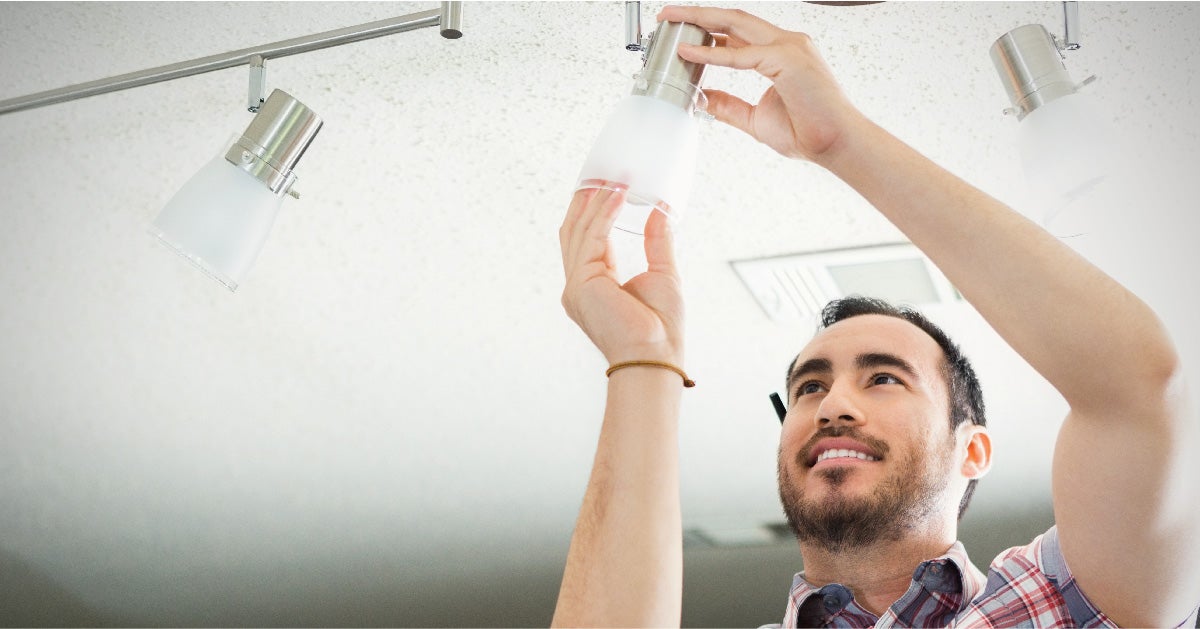
- Switch to LED light bulbs for savings on your electricity bill. Target the lights that you use most often to maximize your efficiency.
- Utilize more natural lighting during the day. One of the easiest and more pleasant ways to conserve energy at home is the use of natural light whenever possible. Simply opening the blinds or curtains and letting sunlight in can go a long way toward reducing your electricity usage. In the winter months, it can also add warmth.
- Make sure your appliances are Energy Star certified for reduced consumption
- Connect your electronics to a power strip and turn it off when not in use. Even when not in use, your small appliances and electronics can draw energy use. This 'phantom power' can account for five to ten percent of your energy bill. Devices such as game consoles, printers, coffee makers, and wall chargers are examples of appliances that consume energy, even when not being used.
- Plant trees near your home to provide shade in the summer and help keep your house warmer in the winter.
- Wash clothes with less energy consumption and water waste by using HE washers, washing less often and using cold water instead of hot water. Likewise, wait until your dishwasher is full before running it. Just like your washer, cutting down on the number of times you run your dishwasher can save a lot of energy.
- Consider whole-house systems. Planning on building a new home in the future? If you plan to design and build a new home or do an extensive remodel on your existing house, optimizing home energy efficiency requires a whole-house systems approach to ensure that you and your builders consider all the variables that affect energy use in your home. In addition to how you use energy and the conditions of where your home is located, you should consider appliances, home electronics, insulation and air sealing, lighting and daylighting, space heating and cooling, water heating, windows, doors and skylights.
There are numerous reasons why homes should consider energy efficiency, ranging from the obvious environmental and financial benefits to potential physical health benefits. In fact, one of the most common features potential homeowners look for when buying a home is energy efficiency.
Whether your reason for energy conservation is economic, environmental or personal, the advantages of energy efficiency will benefit everyone. For more tips on home energy efficiency, check out Ways to Make Your Home More Energy Efficient.
Electrify and Save™
--
About Tri-State
Tri-State is a power supply cooperative, operating on a not-for-profit basis, serving electric distribution cooperatives and public power district member-owners in four states. Together with our members, we deliver reliable, affordable and responsible power to more than a million electricity consumers across nearly 200,000 square miles of the West. Visit www.tristate.coop.
Blog Posts

Energy Saving Maintenance Checklist for Small Businesses

The Benefits of Heat Pumps in Cold Climates
How to Create an Energy-Efficient Laundry Room

Energy Saving Tips While You're Away on Vacation
Benefits of Installing an Attic Fan for Summer

How to Prepare Your Home for a Summer Heat Wave
8 Home Energy Efficient Tips for Spring
11 Tips for a More Energy Efficient Home