
Home
  • About Us
    • Members
    • Leadership
    • Annual Report
  • Powering the Future
    • Our Energy Mix
  • Electrify and Save®
    • On-Bill Repayment
    • Programs
    • Trade Ally
  • Media
    • Resources
    • Blog
    • Features
    • News
    • Newsletter
    • Podcast
  • Cooperative Benefits
  • Operations
    • Wildfire
  • Search
Menu

Search form

battery icon on electric background

Published 06/2025

Good for the grid

Battery storage systems offer flexibility to our evolving energy landscape. From homes to large-scale utility installations, batteries help us maximize the grid's potential. They can extend the benefits of renewable projects, balance voltage on the grid, and act as backup power source. For the rural communities our members serve, where energy infrastructure may be more vulnerable or limited, battery storage is a key solution that ensures the lights stay on — both now and in the future.
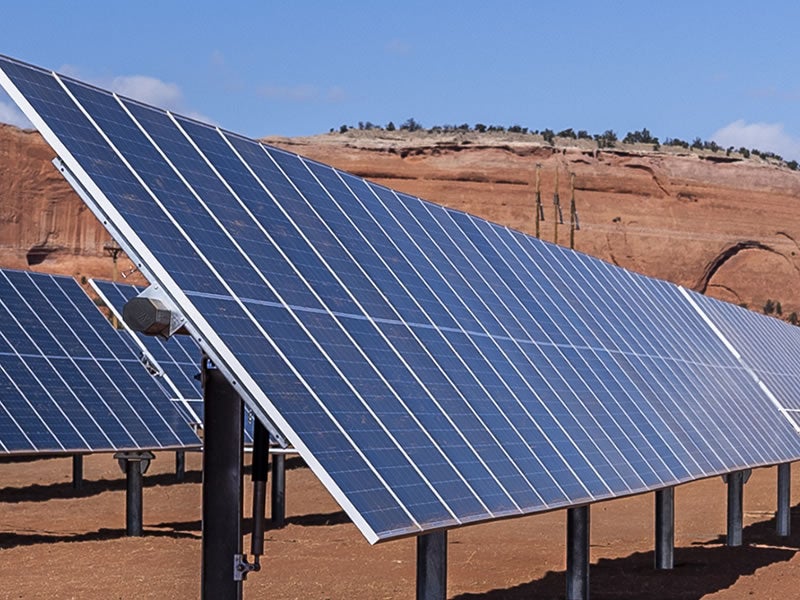
Solar array

Storing renewable power

Without batteries, renewables are a use-it-or-lose-it source of power. For example, we can only generate solar energy while the sun is shining, and depending on energy usage, sometimes we cannot consume it all. With batteries we can store this extra power for a time when the sun is not out, including the hours after sunset when electricity demand is still high. Renewables like wind and solar are some of the lowest-cost methods to generate electricity, so storing it helps Tri-State control costs.

Our electric resource plan

Types of batteries

Advancements in battery chemistry, energy density, and manufacturing are expected to lower costs and improve performance, while incorporating smart grid technologies and energy management systems will significantly enhance their efficiency and reliability. These are some common battery technologies that support utility-scale use.

Lithium
The most widely used type of utility-scale battery, lithium batteries, are known for their high energy density, long cycle life and efficiency. They are favored for their responsiveness, making them ideal for stabilizing power grids by integrating stored renewable energy sources.
Flow
A unique type of utility-scale battery where energy is stored in liquid electrolytes contained in external tanks. Flow batteries are known for their scalability, long cycle life, and the ability to provide consistent power over extended periods oftime.
Lead-acid
Used for short-term energy storage and backup power, these are one of the oldest types of rechargeable batteries. While they have lower energy density compared to lithium-ion batteries, they are still used due to their costeffectiveness and reliability.
Sodium-sulfur
High-temperature batteries that have high energy density and efficiency. These batteries are known for their long discharge times, making them suitable for long-duration energy storage applications.

Battery Safety

Safety is our number one value that guides all our work, and this especially applies to battery storage solutions. We're actively researching best practices and innovative technologies to ensure these systems are not only effective but also safe for the communities we serve. Our goal is to deliver reliable energy solutions without compromising the well-being of our members or the integrity of our infrastructure.
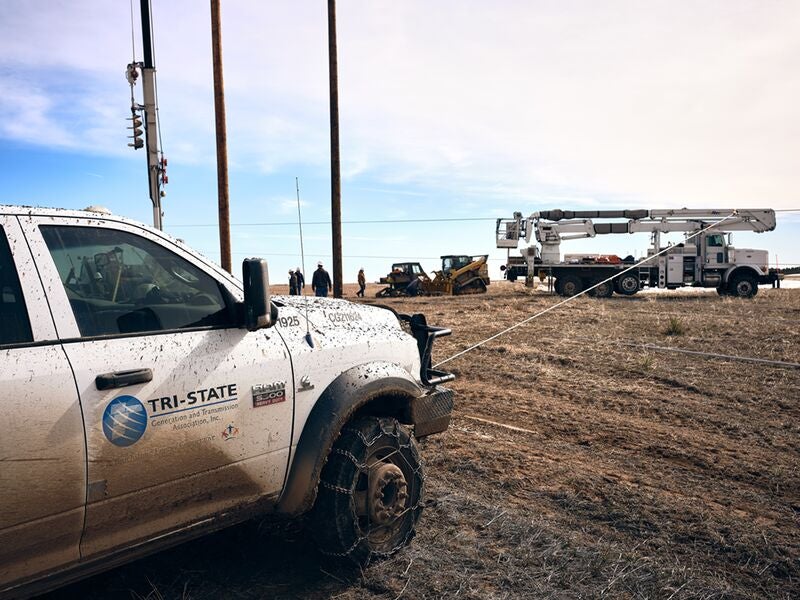
Line repair work
Navigating storm response at Tri-State

Critical stability services

The electrical grid operates at a 60 Hz. To maintain that frequency, power generated needs to match power consumed. Fluctuations in this flow, such as voltage sags and surges, are usually caused by changes in demand, generation and weather. Because of their quick response speed, batteries can balance these fluctuations in real-time. This reduces the likelihood of widespread power outages and makes our system more reliable.

Red Feather Lakes Play button

Filling the gap with batteries

When the demand for electricity is greater than the amount of available renewable power being generated, we can fill this gap with batteries that have been charged ahead of time. Batteries also make the grid more flexible and affordable. They can dispatch their power quickly, allowing us to avoid supplemental fuel costs or release stored energy to the grid during periods of high demand, low renewable generation, or extreme weather events to make sure that member systems have access to power around the clock.

If we can get in and do these large-scale projects, it may be expensive up front but think it's really important for public health and safety. It's all about keeping the lights on and doing everything we can to protect the communities we serve and that starts with protecting the infrastructure that transmits their power.
Nicole Viz, Department of Energy
Fellow at Tri-State

Supporting transmission

Electricity usage is growing and so is the demand for renewables, which means we need to build more generation sources. Transmission lines are necessary to move that power from where it's made to where it will be used. However, building new transmission lines is extremely expensive and can take years to plan and execute, especially in rural and mountainous areas. Large-scale battery storage helps relieve some of these challenges. By strategically placing batteries, we can delay or eliminate building new transmission lines while still maintaining reliability and avoiding construction costs.

Increasing affordability

When energy demand is high, electricity providers must generate and deliver more power, which makes it more expensive. "Peak demand" is when the need for energy is at its highest and often when energy prices are at their most expensive. Batteries allow us to use stored energy and avoid the costs of turning on more resources to meet that demand.

Blog Posts
energy efficiency tips at home

4 Ways to Use Energy Wisely at Home

Electricity powers our lives, and as electricity is getting cleaner, there are many ways to help rural electricity consumers use energy wisely and efficiently so that energy isn’t wasted.
Matt Fitzgibbon, Beneficial Electrification Manager
Read more >
Home Remodeling Tips for Better Energy Efficiency
Home Remodeling Tips for Better Energy Efficiency

As consumers become more aware of the importance of using energy wisely, there are many new options for home improvement that provide an environmentally friendly way to save money. Here are a few ideas to start with for upgrading your home to a more energy-efficient environment.
Mike Frailey, Relationship Manager 
Read more >
7 Great Benefits of Electric Bikes

7 Great Benefits of Electric Bikes

The switch to electric cars may get more media attention, but in the immediate future, it is electric bikes that will create a renaissance of two-wheelers. Rapidly growing in popularity, and for good reason, e-bikes offer extended range and easier commutes than gas-powered scooters, motorcycles, or cars. 
Matt Fitzgibbon, Beneficial Electrification Manager
Read more >
Home Maintenance Checklist for Spring

Home Maintenance Checklist for Spring

Spring is a big time for cleaning and maintenance. In fact, there’s a reason it’s called “spring cleaning!” With spring finally here, most people are thinking about getting outside and taking advantage of the warmer weather, gardening, clean-up, and home maintenance. 
Matt Fitzgibbon, Beneficial Electrification Manager
Read more >
what is beneficial electrification

What is Beneficial Electrification?

Beneficial electrification is a term based in-part on cornerstone research developed by the National Rural Electric Cooperative Association (NRECA) for replacing direct fossil fuel use such as propane, heating oil, and gasoline with electricity.
Matt Fitzgibbon, Beneficial Electrification Manager
Read more >
Energy Saving Water Heaters

Energy Saving Water Heaters

Conventional water heaters may be a thing of the past with the introduction of a variety of new energy-efficient water heaters. The type of water heater you choose will also affect your water heating costs. Whether you are shopping around for a new energy-saving water heater, looking to replace an old one that just went out, or looking for the best model for a new house build, here are some tips to help you choose carefully.
Matt Fitzgibbon, Beneficial Electrification Manager
Read more >
Make Your Home More Energy Efficient in 2021
How to Make Your Home More Energy Efficient in 2021

Many homeowners are now looking for more ways to make their home energy efficient by stepping into smart home technology, electrified appliances, embracing cleaner energy sources, and pursuing more energy-efficient ways to heat and cool their homes. Here are a few energy-saving tips to make your home more efficient in 2021.
Matt Fitzgibbon, Beneficial Electrification Manager
Read more >
Advantages of heat pumps

Advantages of Heat Pumps for Energy Efficiency

A heat pump is considered one of the most energy-efficient methods for heating and cooling a home, especially compared to homes heated with baseboard electric heat or propane heated homes. With the improvements in technology over the last 5 years, heat pumps are becoming competitive even in homes heated by natural gas.
Peter Rusin, Member Relations Manager
Read more >
Electric generator safety tips

Important Generator Safety Tips

When electricity isn’t available, some businesses and families resort to generators to power homes, campsites, construction sites or important equipment. While these helpful machines are a lifesaver, there are important generator tips and safety precautions that must be followed.
Kent Mahanna, MPH, CSP Senior Manager Safety & Security
Read more >

Pagination

  • First page« First
  • Previous page‹ Previous
  • Page   1
  • Page   2
  • Currently on page   3
  • Page   4
  • Next pageNext ›
  • Last pageLast »

Subscribe

* indicates required
Join our mailing list for
updates and member news.


Quick links

  • Dark Fiber
  • Wildfire
  • Financials
  • Board Meetings
  • Member Tools
  • The Cooperative Difference
  • Privacy Policy
  • Terms and Conditions
  • Careers
  • Employee login

Tri-State Generation and Transmission Association
Office: 303-452-6111
1100 West 116th Avenue
Westminster, CO 80234

Mailing address:
PO Box 33695
Denver, CO 80233-0695

©2026 Tri-State Generation and Transmission Association, Inc. Power supplier to the rural west.

  • About Us
    • Members
    • Leadership
    • Annual Report
  • Powering the Future
    • Our Energy Mix
  • Electrify and Save®
    • On-Bill Repayment
    • Programs
    • Trade Ally
  • Media
    • Resources
    • Blog
    • Features
    • News
    • Newsletter
    • Podcast
  • Cooperative Benefits
  • Operations
    • Wildfire
  • Search