
Published 06/2025
Good for the grid
Battery storage systems offer flexibility to our evolving energy landscape. From homes to large-scale utility installations, batteries help us maximize the grid's potential. They can extend the benefits of renewable projects, balance voltage on the grid, and act as backup power source. For the rural communities our members serve, where energy infrastructure may be more vulnerable or limited, battery storage is a key solution that ensures the lights stay on — both now and in the future.
Storing renewable power
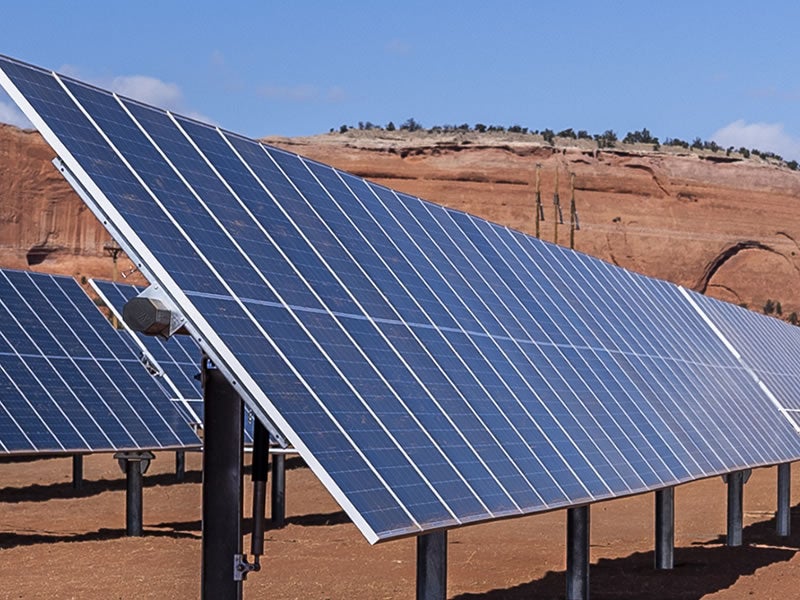
Without batteries, renewables are a use-it-or-lose-it source of power. For example, we can only generate solar energy while the sun is shining, and depending on energy usage, sometimes we cannot consume it all. With batteries we can store this extra power for a time when the sun is not out, including the hours after sunset when electricity demand is still high. Renewables like wind and solar are some of the lowest-cost methods to generate electricity, so storing it helps Tri-State control costs.
Types of batteries
Advancements in battery chemistry, energy density, and manufacturing are expected to lower costs and improve performance, while incorporating smart grid technologies and energy management systems will significantly enhance their efficiency and reliability. These are some common battery technologies that support utility-scale use.
Battery Safety
Safety is our number one value that guides all our work, and this especially applies to battery storage solutions. We're actively researching best practices and innovative technologies to ensure these systems are not only effective but also safe for the communities we serve. Our goal is to deliver reliable energy solutions without compromising the well-being of our members or the integrity of our infrastructure.
Critical stability services
The electrical grid operates at a 60 Hz. To maintain that frequency, power generated needs to match power consumed. Fluctuations in this flow, such as voltage sags and surges, are usually caused by changes in demand, generation and weather. Because of their quick response speed, batteries can balance these fluctuations in real-time. This reduces the likelihood of widespread power outages and makes our system more reliable.


Filling the gap with batteries
When the demand for electricity is greater than the amount of available renewable power being generated, we can fill this gap with batteries that have been charged ahead of time. Batteries also make the grid more flexible and affordable. They can dispatch their power quickly, allowing us to avoid supplemental fuel costs or release stored energy to the grid during periods of high demand, low renewable generation, or extreme weather events to make sure that member systems have access to power around the clock.
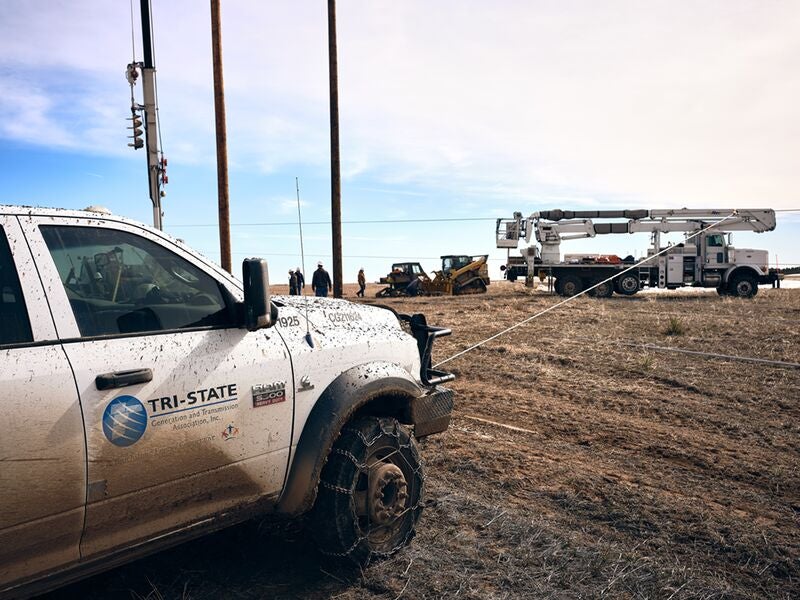
If we can get in and do these large-scale projects, it may be expensive up front but think it's really important for public health and safety. It's all about keeping the lights on and doing everything we can to protect the communities we serve and that starts with protecting the infrastructure that transmits their power.
Fellow at Tri-State
Supporting transmission
Electricity usage is growing and so is the demand for renewables, which means we need to build more generation sources. Transmission lines are necessary to move that power from where it's made to where it will be used. However, building new transmission lines is extremely expensive and can take years to plan and execute, especially in rural and mountainous areas. Large-scale battery storage helps relieve some of these challenges. By strategically placing batteries, we can delay or eliminate building new transmission lines while still maintaining reliability and avoiding construction costs.
Increasing affordability
When energy demand is high, electricity providers must generate and deliver more power, which makes it more expensive. "Peak demand" is when the need for energy is at its highest and often when energy prices are at their most expensive. Batteries allow us to use stored energy and avoid the costs of turning on more resources to meet that demand.
Blog Posts

6 Energy-Saving Tips to Get Your Home Ready for Summer

Co-op-Powered Broadband Keeps People Connected When it Counts
Tri-State’s wholesale rates are stable, and forecasted to remain so to 2050

What is the Benefit of Being a Member of an Electric Co-op?