
Posted 9/29/2025
Internalized expertise: The New Mexico cooperative redefining vegetation management standards
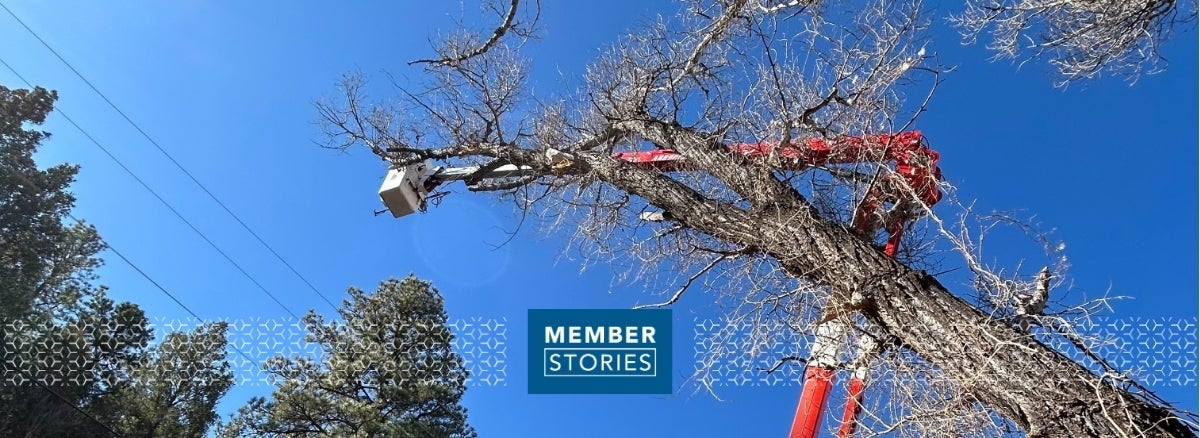
In the rural West, the concept of a “wildfire season” has all but disappeared and electricity providers have bolstered their wildfire mitigation plans to deal with the threat. Vegetation management and the removal of danger trees around critical infrastructure is a huge part of that strategy.
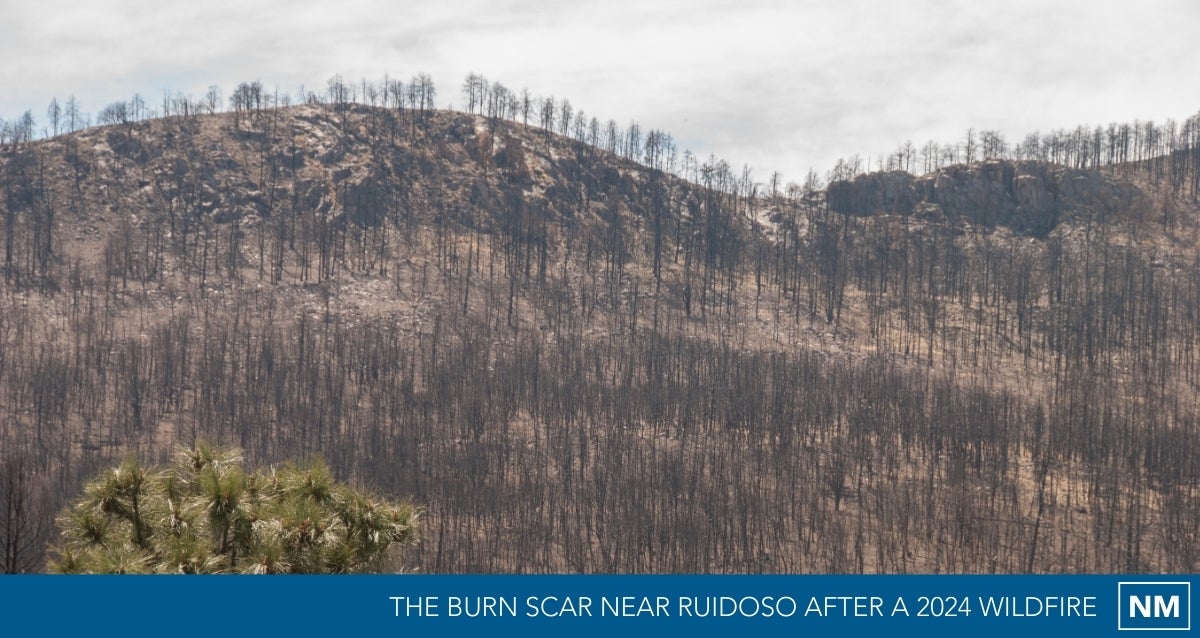
Tri-State member Otero County Electric Cooperative (OCEC) operates over 2,800 miles of line, serving over twenty thousand homes and businesses across southern New Mexico. Recognizing the growing demand for consistent vegetation management in this heavily forested area, especially after being impacted by wildfires in the summer of 2024, they made a strategic investment in long-term resilience. OCEC acquired employees and equipment from their longtime vegetation management contractor, whose owner was preparing for retirement. This decision allowed OCEC to bring the experienced crews in-house, converting them into full-time employees of the co-op.
For a rural electric cooperative, where staffing is often lean and service territories are vast, this shift is significant. A co-op's staff can range from single digits to a few dozen, making it difficult to maintain the kind of year-round vegetation management that wildfire mitigation demands. Contractors have long filled that gap, but they come with tradeoffs, both bad and good.
Recognizing opportunity
Rogers Tree Service (RTS) performed vegetation management services for OCEC for over 20 years. Founded by a former OCEC lineman, the two companies established a successful working relationship that thrived on RTS’s knowledge of OCEC’s system and local conditions. However, rising regulatory costs and liability risk across the industry began affecting contract prices.
By bringing this work in-house, OCEC retained a skilled workforce familiar with the terrain and vegetation challenges of southern New Mexico while reducing long-term costs. The cooperative now has direct control over scheduling, training, and safety standards, ensuring that vegetation management aligns seamlessly with its broader operational goals.
“It was a one of those rare win-win situations,” said OCEC General Manager Mario Romero. “The business owner was able to retire knowing his employees were being taken care of and liquidated his equipment to us. It has been good for both parties and stabilizes future costs for the co-op. For those employees, they now have medical & retirement benefits, while essentially doing the same work in the same places for the same people. Now, they are just wearing our logo and have become even more a part of our co-op family.”
A new plan for new priorities
The creation of a dedicated in-house vegetation management team has empowered OCEC to elevate its wildfire mitigation strategy to a level of precision and responsiveness rarely seen in the industry. At the heart of this transformation is Janscen Davis, Vegetation Management Coordinator, who has led the overhaul of the co-op’s integrated vegetation management plan.
“Traditional vegetation management follows a cycle trim model,” Davis explained. “You move circuit by circuit, trimming trees on a five-year rotation. But that doesn’t work in our forested terrain, where conifer mortality is accelerating due to drought, disease, and past wildfires.” Instead, OCEC rewrote its plan to prioritize hazard recognition. The program now operates on a dynamic, priority-based system that targets the most immediate threats to infrastructure and ignition risk.
Every member of OCEC can report vegetation hazards using a streamlined app that includes geolocation, photos, and detailed descriptions. These reports flow into Davis’s system, where he and a certified arborist assess the threat level and dispatch crews accordingly. “We’re not just trimming trees,” Davis said. “We’re removing ignition sources.”
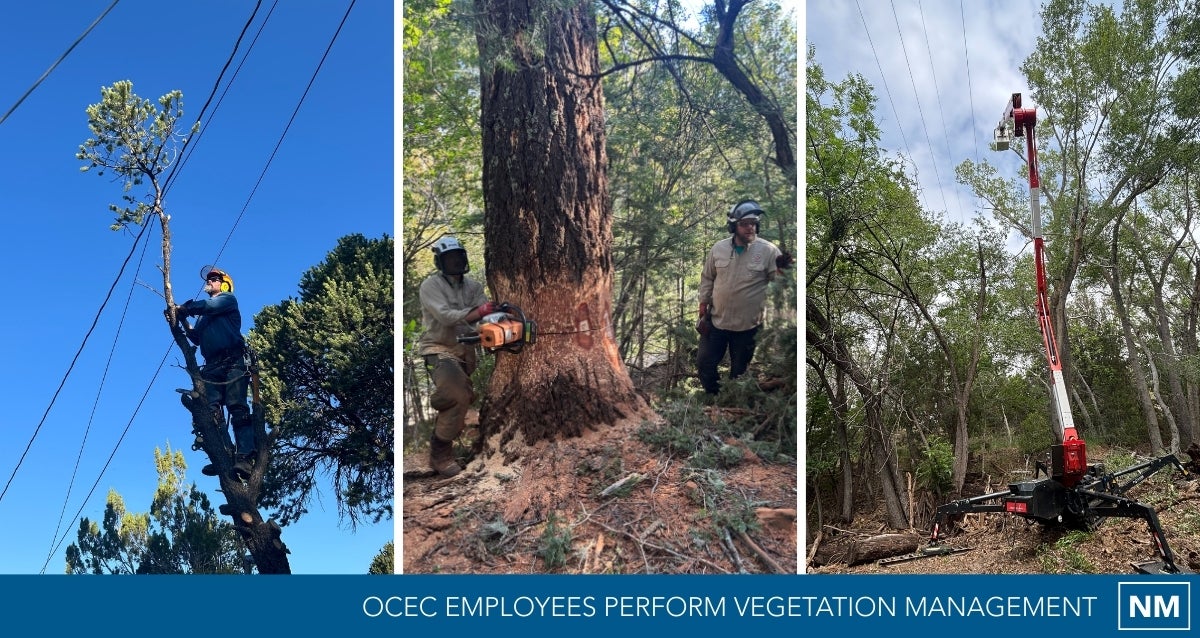
The terrain OCEC covers is vast and rugged, and the lines cross mountainous regions like Cloudcroft, Mescalero, and Alto. The cooperative’s crews are trained to handle extreme conditions and can climb and rig trees over 100 feet to safely remove hazards near power lines. Unlike mastication equipment, which is effective for clearing underbrush, these crews specialize in removing large-diameter trees that pose the greatest risk.
The team also includes an ISA-certified arborist, a rare asset in utility vegetation management. “The biggest utilities might have one or two consulting arborists who’ve never climbed a tree,” Davis noted. “We have working arborists who climb, cut, and understand utility-specific hazards.”
Progress and protection through smart business practices
By internalizing this expertise, OCEC has gained full control over how vegetation is managed, what gets cut, how it’s documented, and how quickly crews can respond. The result is a program that’s not only more cost-effective but also more accountable and aligned with the cooperative’s mission: to provide safe, reliable, and affordable electric service to its members. When it comes to wildfire mitigation, this means protecting its infrastructure and the communities it serves from wildfire ignition caused by powerlines.
As wildfire risk intensifies across the West, co-ops like OCEC are demonstrating that smart business decisions can be powerful tools for community protection.
--
About Tri-State
Tri-State is a power supply cooperative, operating on a not-for-profit basis, serving electric distribution cooperatives and public power district member-owners in four states. Together with our members, we deliver reliable, affordable and responsible power to more than a million electricity consumers across nearly 200,000 square miles of the West. Visit www.tristate.coop.
Blog Posts

6 Energy-Saving Tips to Get Your Home Ready for Summer

Co-op-Powered Broadband Keeps People Connected When it Counts

Tri-State’s wholesale rates are stable, and forecasted to remain so to 2050

What is the Benefit of Being a Member of an Electric Co-op?