
Home
  • About Us
    • Members
    • Leadership
  • Powering the Future
    • Our Energy Mix
  • Electrify and Save®
    • On-Bill Repayment
    • Programs
    • Trade Ally
  • Media
    • Resources
    • Blog
    • Features
    • News
    • Newsletter
    • Podcast
  • Cooperative Benefits
  • Operations
    • Wildfire
  • Search
Menu

Search form

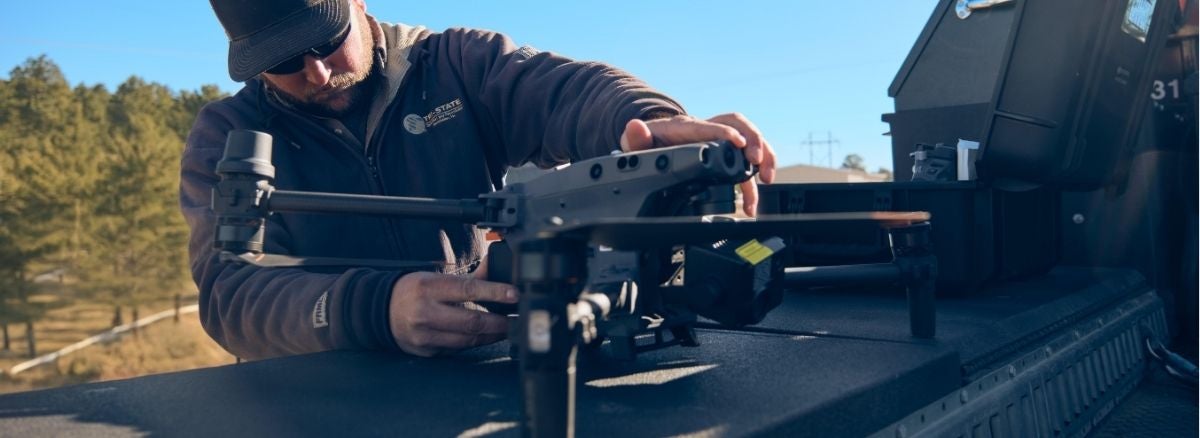
Drone in flight near overhead power lines

Drone Safety

What Drone Pilots Should Know About Power Line Safety

Drones are increasingly popular for photography, recreation, and work-related tasks. While open spaces are ideal for flying, overhead power lines and electrical substations are extremely hazardous environments for drones.

This article provides general safety guidance for recreational and professional drone (UAS) pilots to reduce the risk of injury, property damage, and power outages caused by flying near electrical infrastructure.

Why Power Lines and Drones Don't Mix

A drone that contacts or flies too close to energized equipment can:

  • Cause power outages affecting homes, businesses, and critical services
  • Strike or damage lines, potentially creating downed power lines
  • Trigger electromagnetic interference (EMI) that leads to loss of control
  • Create falling debris hazards that endanger people and property below

When it comes to drones and power lines, distance, awareness, and caution save lives.
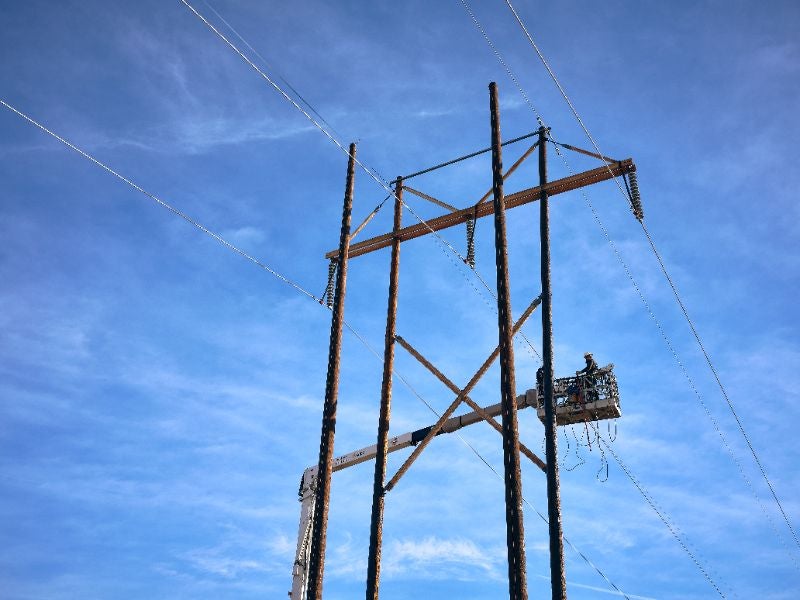
Overhead power lines

Drone Safety Guidelines (At a Glance)

Whether flying recreationally or professionally, always follow Federal Aviation Administration (FAA) rules and community regulations:

  • Inspect your drone before every flight; repair damage before use
  • Never fly above 400 feet above ground level
  • Keep the drone within visual line of sight at all times
  • Flying near or over a wildfire is against the law. This could result in firefighting aircraft being grounded, disrupting time-critical firefighting efforts. Unauthorized drone flights near wildfires face civil penalties totaling more than $20,000.
  • Do not fly near:
    • Airports or manned aircraft
    • Stadiums or large events
    • People or moving vehicles
    • Bad weather, including high winds or low visibility

Never fly recklessly. Endangering people or aircraft can lead to fines or enforcement action. Commercial use requires FAA authorization (such as Part 107 compliance)

Power Lines and Electromagnetic Interference (EMI)

High-voltage power lines can interfere with drone navigation and control systems, causing erratic movement, signal dropouts, and sudden loss of control or crashes. To reduce EMI-related risks, avoid hovering or maneuvering near energized equipment and always fly within visual line of sight so hazards are visible. When applicable, use drones designed with higher EMI resistance for an added safety measure.
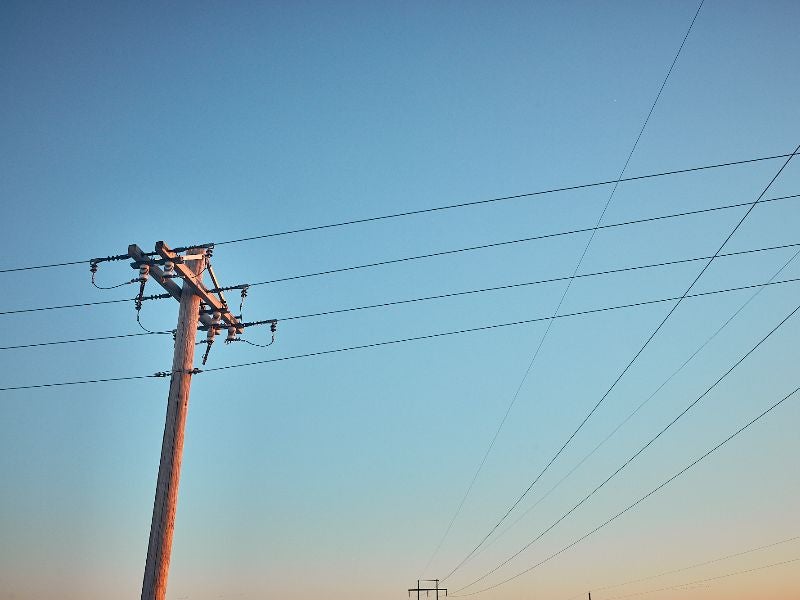
High-voltage transmission lines
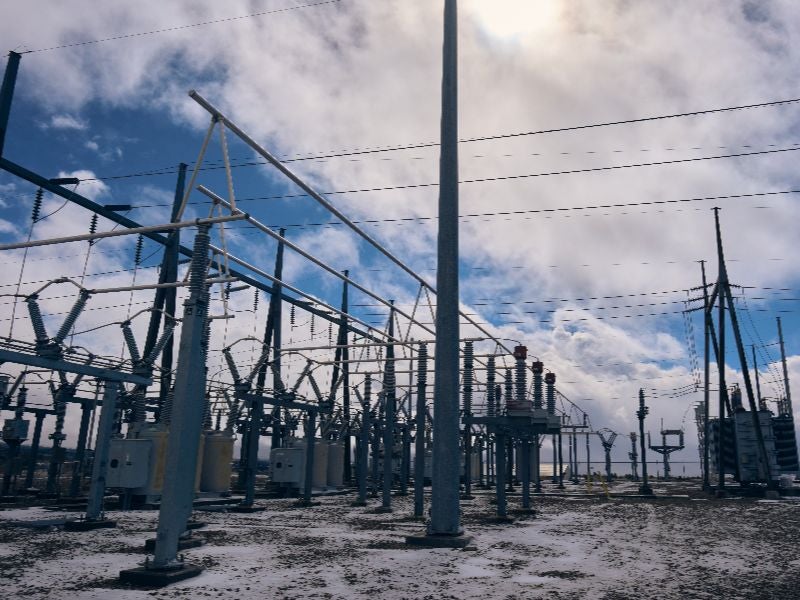
Electrical substation

Never Retrieve a Drone from Power Lines

If a drone becomes tangled or stuck in a power line or electrical equipment, do NOT attempt to retrieve it. Keep yourself and others away from the area and contact the local electric utility immediately. Only properly trained and equipped utility personnel should approach or remove objects from energized lines.

If you encounter downed power lines, stay far away from the line and anything it may be touching. Then, call 911 immediately to notify emergency responders and contact the local electric utility so trained crews can respond. Never assume a line is de-energized. Treat all downed lines as live.

This safety resource was developed using guidance from electric safety organizations and federal aviation best practices to promote responsible drone use and public safety. This information is for general safety education and does not replace FAA regulations or utility directives. If you see downed lines, call 911.

Blog Posts

6 Energy-Saving Tips for Your Home in Summer

6 Energy-Saving Tips to Get Your Home Ready for Summer

Temperatures are on the rise, and summer is predicted to be hotter than average, according to both the National Weather Service and Old Farmer’s Almanac Guide. Here are 6 energy-saving tips you can implement to ensure your home is ready for the heat, without spending a lot of money or energy. 
Myles Jensen, Senior Manager Member Relations
Read more >
Co-op-Powered Broadband Keeps People Connected

Co-op-Powered Broadband Keeps People Connected When it Counts
How electrical co-ops provide essential broadband services to keep communities connected in 2020
Monroe Johnson, Ciello Chief Technology Office
Read more >
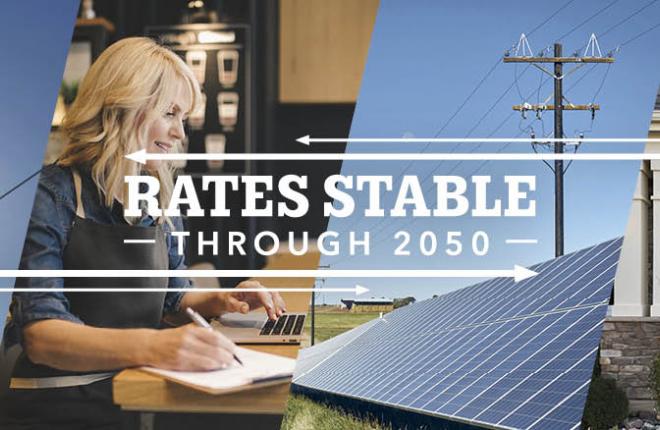
Tri-State’s wholesale rates are stable, and forecasted to remain so to 2050

Tri-State’s wholesale rates are stable, and forecasted to remain so to 2050

Our goal with the REP is stable to lower rates. Over the longer term to 2050, with a more low-cost renewables and a focus on cost management, our rates, adjusted for inflation, are forecast to be lower than they are today.
Pat Bridges, Senior Vice President & Chief Financial Officer
Read more >
What is the Benefit of Being a Member of an Electric Co-op?

What is the Benefit of Being a Member of an Electric Co-op?

Today’s consumers increasingly want to buy products and services from purpose-driven organizations that contribute to the greater good. That’s one of the benefits some 42 million Americans receive as members of electric cooperatives.
Jennifer Goss, Senior Vice President, Member Relations
Read more >
10-ways-to-reduce-your-energy-consumption-and-energy-bill

10 Ways to Reduce Your Energy Consumption and Energy Bill

The first steps to reducing your electricity bill are to understand where you're using the most energy, and then look for ways to reduce the amount of energy you use.
Myles Jensen, Senior Manager Member Relations
Read more >

Pagination

  • First page« First
  • Previous page‹ Previous
  • Page   1
  • Page   2
  • Page   3
  • Currently on page   4

Subscribe

* indicates required
Join our mailing list for
updates and member news.


Quick links

  • Dark Fiber
  • Wildfire
  • Financials
  • Board Meetings
  • Member Tools
  • The Cooperative Difference
  • Privacy Policy
  • Terms and Conditions
  • Careers
  • Employee login

Tri-State Generation and Transmission Association
Office: 303-452-6111
1100 West 116th Avenue
Westminster, CO 80234

Mailing address:
PO Box 33695
Denver, CO 80233-0695

©2026 Tri-State Generation and Transmission Association, Inc. Power supplier to the rural west.

  • About Us
    • Members
    • Leadership
  • Powering the Future
    • Our Energy Mix
  • Electrify and Save®
    • On-Bill Repayment
    • Programs
    • Trade Ally
  • Media
    • Resources
    • Blog
    • Features
    • News
    • Newsletter
    • Podcast
  • Cooperative Benefits
  • Operations
    • Wildfire
  • Search