
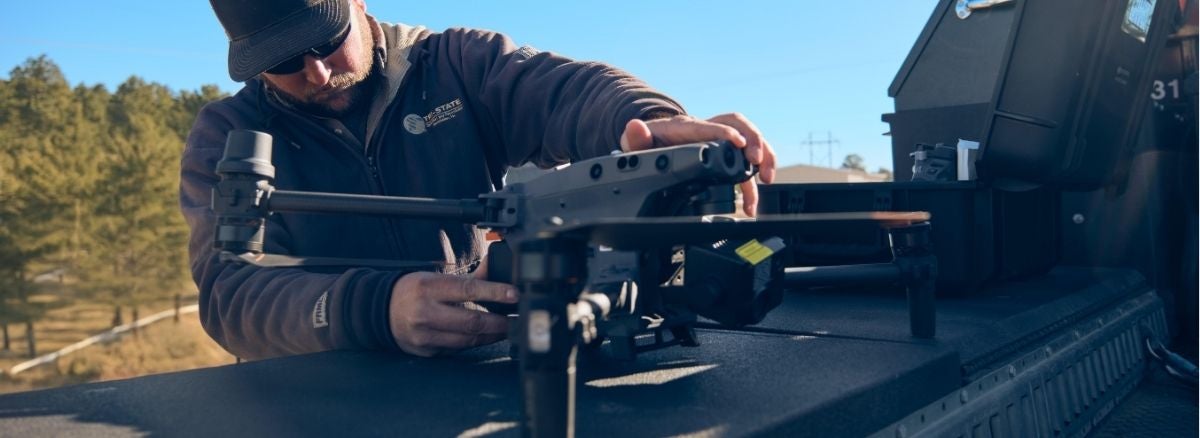
Drone Safety
What Drone Pilots Should Know About Power Line Safety
Drones are increasingly popular for photography, recreation, and work-related tasks. While open spaces are ideal for flying, overhead power lines and electrical substations are extremely hazardous environments for drones.
This article provides general safety guidance for recreational and professional drone (UAS) pilots to reduce the risk of injury, property damage, and power outages caused by flying near electrical infrastructure.
Why Power Lines and Drones Don't Mix
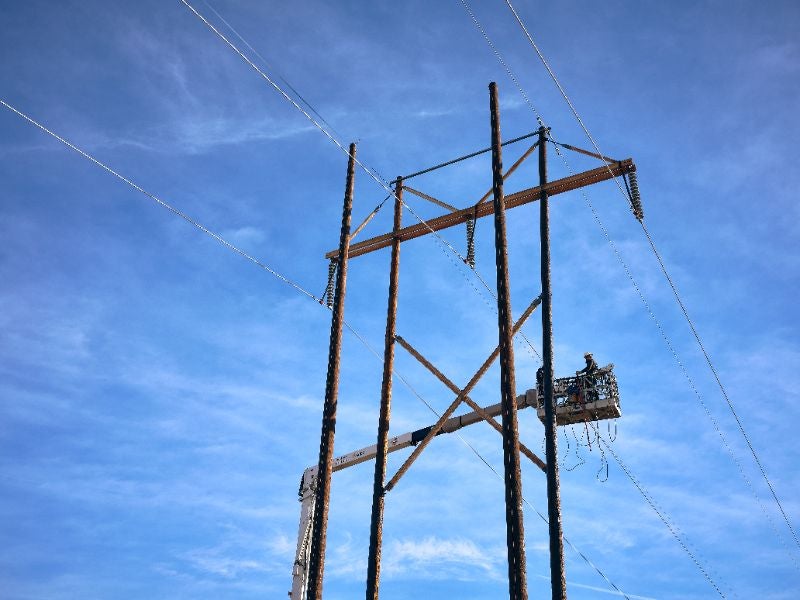
A drone that contacts or flies too close to energized equipment can:
- Cause power outages affecting homes, businesses, and critical services
- Strike or damage lines, potentially creating downed power lines
- Trigger electromagnetic interference (EMI) that leads to loss of control
- Create falling debris hazards that endanger people and property below
When it comes to drones and power lines, distance, awareness, and caution save lives.
Drone Safety Guidelines (At a Glance)
Whether flying recreationally or professionally, always follow Federal Aviation Administration (FAA) rules and community regulations:
- Inspect your drone before every flight; repair damage before use
- Never fly above 400 feet above ground level
- Keep the drone within visual line of sight at all times
- Flying near or over a wildfire is against the law. This could result in firefighting aircraft being grounded, disrupting time-critical firefighting efforts. Unauthorized drone flights near wildfires face civil penalties totaling more than $20,000.
-
Do not fly near:
- Airports or manned aircraft
- Stadiums or large events
- People or moving vehicles
- Bad weather, including high winds or low visibility
Never fly recklessly. Endangering people or aircraft can lead to fines or enforcement action. Commercial use requires FAA authorization (such as Part 107 compliance)
Power Lines and Electromagnetic Interference (EMI)
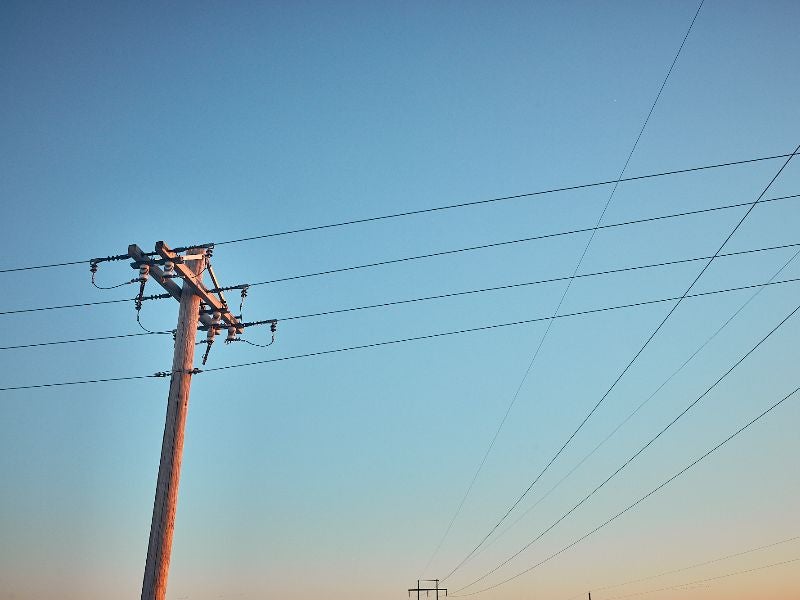
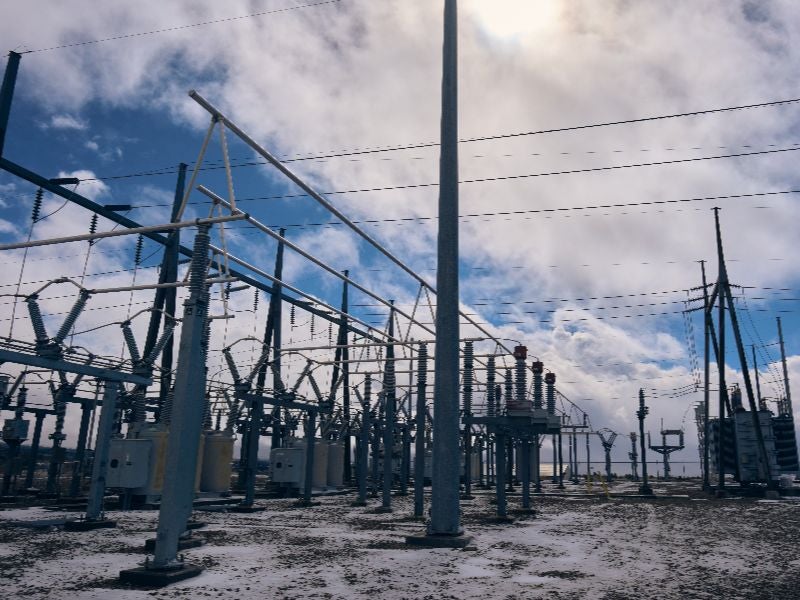
High-voltage power lines can interfere with drone navigation and control systems, causing erratic movement, signal dropouts, and sudden loss of control or crashes. To reduce EMI-related risks, avoid hovering or maneuvering near energized equipment and always fly within visual line of sight so hazards are visible. When applicable, use drones designed with higher EMI resistance for an added safety measure.
Never Retrieve a Drone from Power Lines
If a drone becomes tangled or stuck in a power line or electrical equipment, do NOT attempt to retrieve it. Keep yourself and others away from the area and contact the local electric utility immediately. Only properly trained and equipped utility personnel should approach or remove objects from energized lines.
If you encounter downed power lines, stay far away from the line and anything it may be touching. Then, call 911 immediately to notify emergency responders and contact the local electric utility so trained crews can respond. Never assume a line is de-energized. Treat all downed lines as live.
Blog Posts

4 Ways to Use Energy Wisely at Home

Home Remodeling Tips for Better Energy Efficiency
7 Great Benefits of Electric Bikes

Home Maintenance Checklist for Spring

What is Beneficial Electrification?

Energy Saving Water Heaters

How to Make Your Home More Energy Efficient in 2021

Advantages of Heat Pumps for Energy Efficiency