
Posted 4/14/2026
Each year, utilities across the country join together to recognize the critical work of lineworkers and the many teams who support them as part of National Lineman Appreciation Day. By expanding our focus to include not just lineworkers, but also the telecommunications and substation teams who make reliable power possible, we are recognizing all the people, skills, and systems that keep the grid strong.
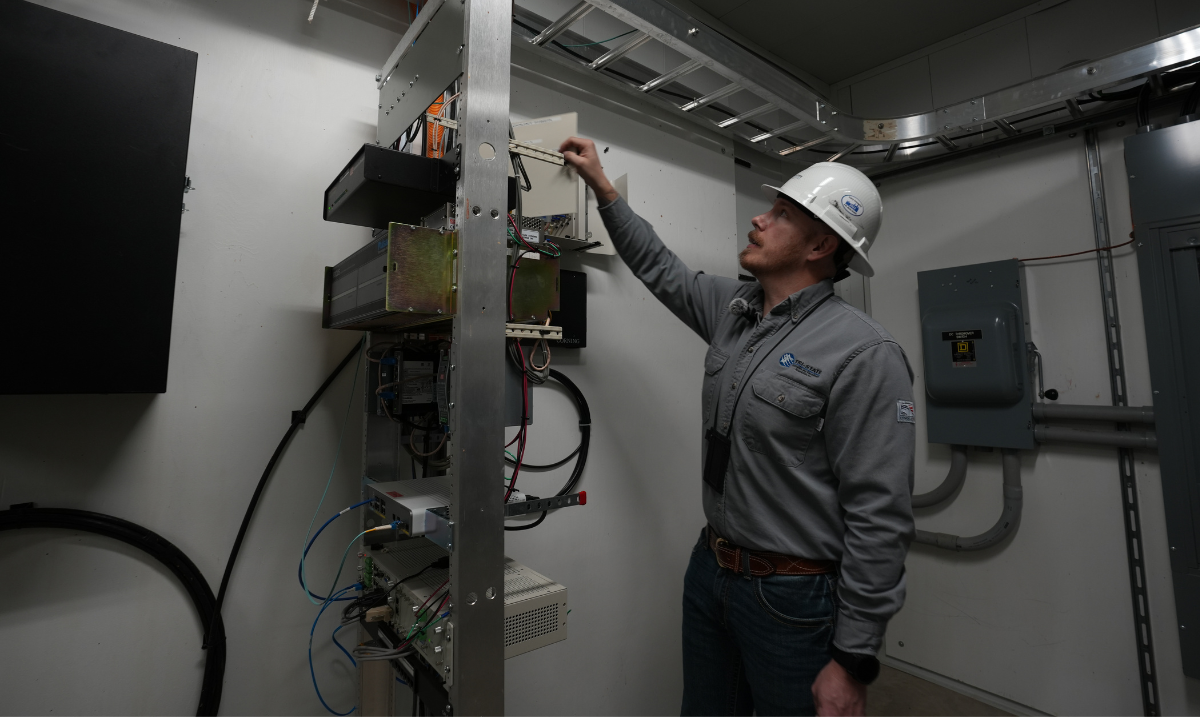
Our telecommunications team designs, maintains, and monitors the systems that allow substations and line crews to communicate in real time. They ensure our protective relays talk to each other, the control center receives accurate data, and crews can work safely and efficiently in the field. Though their work isn’t always visible, this team keeps the grid intelligent, interconnected, and responsive.
We joined Telecommunications Foreman Nick Franklin to learn more about their role in keeping the lights on.
Can you share a little about your background and how you got to Tri-State?
I came to Tri-State from the Navy. I served for over eight-and-a half-years and then moved from Hawaii to Kremmling, Colorado to work at our field facility there. It was a pretty big change for my wife but early on I had an opportunity to move to the Front Range and work out of the Northern Colorado Maintenance Center.
I went on to complete Tri-State's telecommunications apprenticeship and going into it, I would have told you I was a communications expert. But I got here and realized very quickly that the knowledge and experience I had didn't translate very well to the utility industry, although it did give me a good foundation to learn through the apprenticeship program.
What kind of hours do you and your team work?
We typically work 7 a.m. to 5:30 p.m. Monday through Thursday, but we are on call 24/7. I'd say on average my team drives 500 to 1,000 miles a week. You certainly have to take into account drive time when you're coordinating work at some of the more remote locations.
There are also scenarios, like storm jobs, where we may be called out after-hours to restore communications paths if system operations lose visibility of a substation and ensure comms between the affected lines are still intact.
Can you explain what telecommunications is?
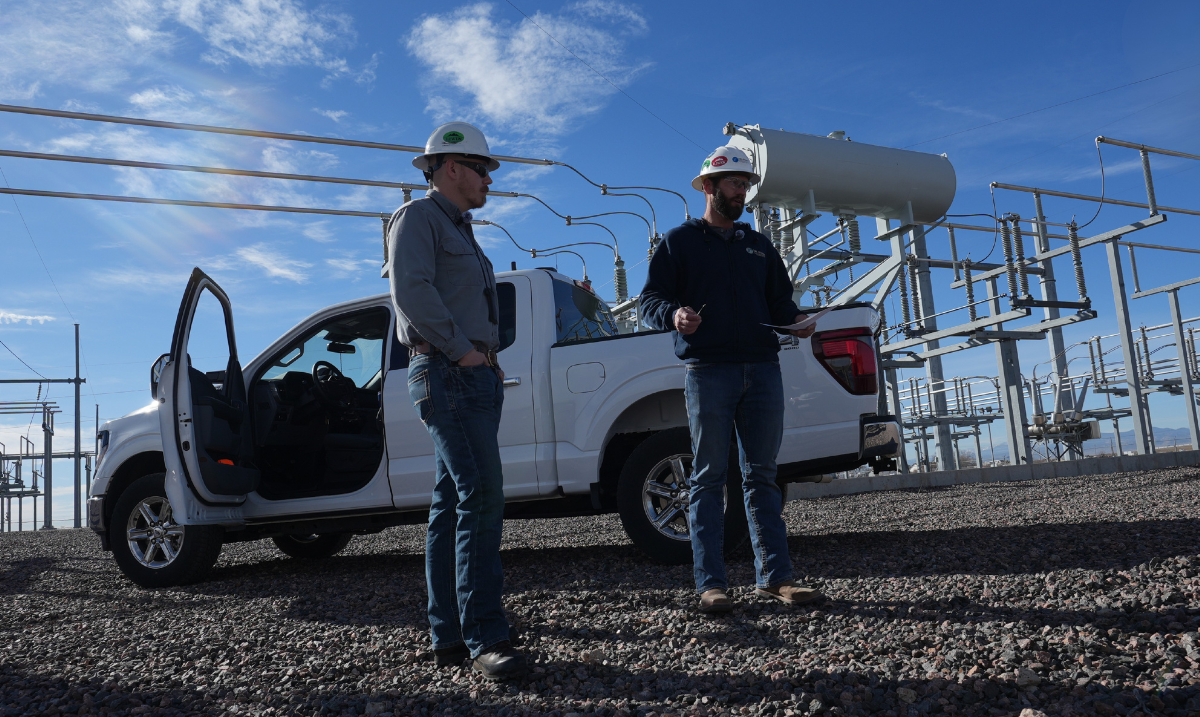
We provide visibility to system operations for the status of substations. Our communications network is set up in a way that we have several redundancies built in, and we use our communications network to provide real-time visibility of our substations. Our system operations can remotely operate a lot of the equipment at the substations through our communications network. And we carry IT traffic between many of the field locations.
The energy marketing department monitors the real-time metering through the substations and the generation facilities and makes a lot of their decisions based off the information they're receiving over the telecom network.
Can you provide an example?
Yes, if ice were to buildup on lines or, maybe a tree gets into a line system, operations can see which line in which substations are affected through the Supervisory Control and Data Acquisition (SCADA) information they receive over the telecom network. Additionally, if there is a fault on the line, the relay communication channels allow the relays to function much faster to trip that line off and hopefully protect the equipment on the end.
What is something you wish more people knew about the relationship between telecoms and electricity?
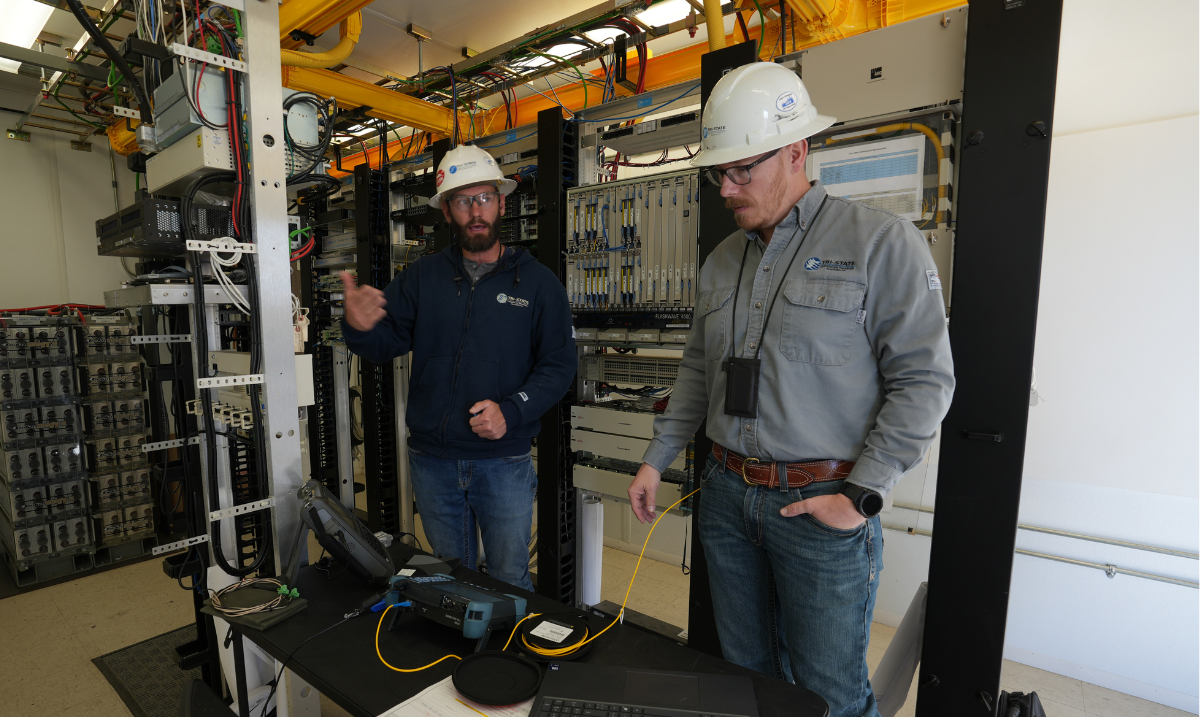
I don't think people know that there's telecommunication running through power lines. It’s a huge ring of communication that goes around the entire service territory. And the reason they develop it that way is, if you lose communications in one section of the ring, it can continue to communicate in the other direction. Where we have issues is if there's an outage in two sections of the ring, we could potentially lose communications to a whole state – which happened recently.
In eastern Colorado there’s a section of fiber optics that we share with a partner and they had a planned outage, so they took that section of fiber out of service. Then on the Western slope, there was a fire that melted a section of buried fiber optic and it out of service.
That was the Lee Fire up near Meeker and with those two outages on opposite ends of the state, system operations lost visibility to over 44 substations. Fortunately, my team was in a position to respond to that outage, call it out in the middle of the night, and troubleshoot with the communication center, to restore comms to each affected substation.
As soon as it was safe, we were able to go out and reestablish connectivity through that section with the planned outage.
How do you prepare your crew before working on critical communication infrastructure?
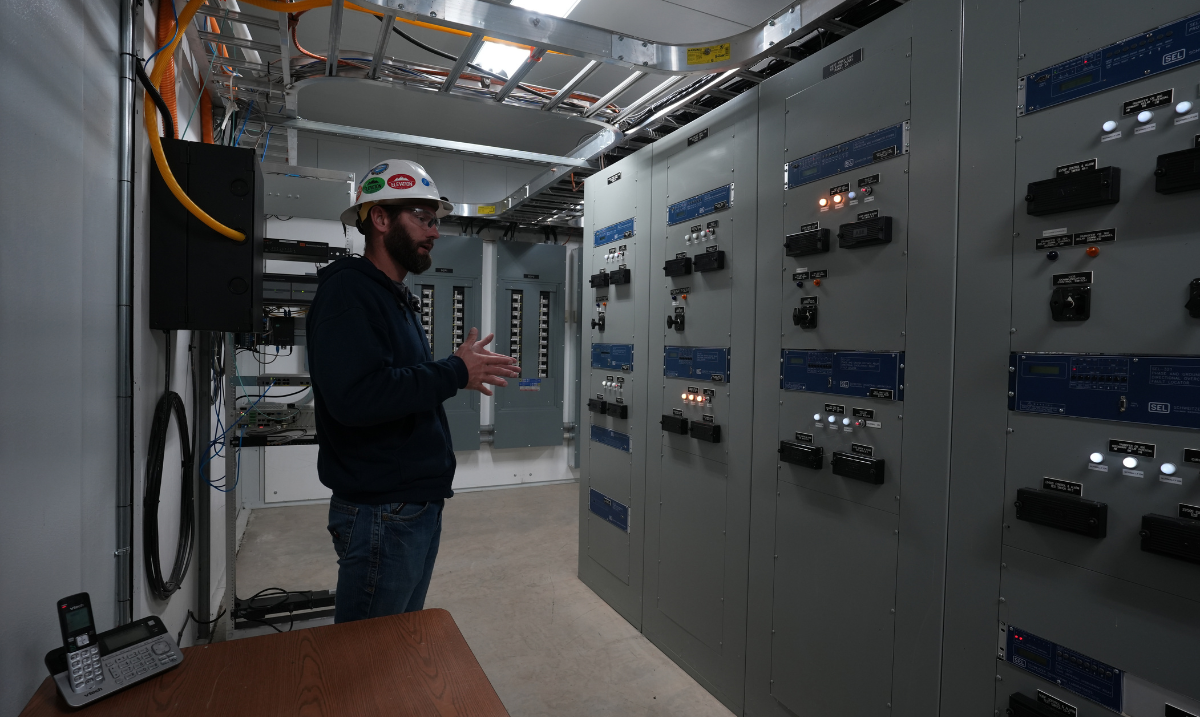
I prepare my crew by reviewing the scope of the work well before its scheduled and ensuring that they have all the resources they need to complete that job successfully. That includes coordinating with the telecommunications engineers, making sure the designs are complete and the necessary materials ordered.
Then we will often have meetings with the engineers, construction, and anyone that's going to participate in that project to coordinate what tasks each team needs to complete. We get it on the calendar and make sure everyone shows up where and when they’re needed to get the job done.
What does it mean to you to maintain communication lines and keep power reliable?
To me, the importance of the telecommunications team is operating in a way that supports the core function of Tri-State, which is providing reliable, affordable, and responsible energy to our members.
We have a unique opportunity to work with all disciplines of this department and beyond to achieve that mission. Whether we're working with the linemen to turn up new fiber optics and establish communications to a new substation that's providing power for a community or supporting the subtechs by providing communications status for their equipment, it all goes together.
Listen to Nick's Western Watts podcast episode here: https://tristate.coop/ride-along-nick-franklin-telecommunications
Precision That Protects: How Substations Keep Power Flowing
Built for Reliability: A Ride‑Along with Lineworkers
--
This interview is part of The People Behind the Power™ series, where we showcase the extraordinary work Tri-State employees are doing to keep the lights on for our members across the rural West. This series pulls back the curtain to share the real stories of the individuals whose dedication powers our communities. Because when you meet the people behind the power, you see the heart, talent, and perseverance that goes into every flip of a switch.
From relationship managers to cybersecurity engineers to substation technicians, the people needed to power our cooperative are as unique as the territories our members serve. If you are interested in applying your skills to improve the lives and livelihoods of our members, check out open positions here.
Blog Posts
Protecting Your Home Year-Round from Wildfires

Summer Backpacking: Solar Power, Energy Efficiency, and the Best States to Visit

Beat the Chill: Effective Insulation Strategies for Winter Comfort
Energy Efficient Heating Options for Rural Communities in the West

Boost Your Business with EV Charging

The Benefits of Having Your Own EV Charger at Home

Geothermal Heat Pumps: Harnessing Earth's Energy for Your Business
Mastering Energy Efficiency with These Home Upgrades