
Our Wildfire Response
Wildfire Mitigation: Protecting Our Rural Communities
Tri-State and our members are all not-for-profits serving nearly one million customers across Colorado, New Mexico, Wyoming and Nebraska covering nearly half of the land mass in these states. Our wildfire mitigation plans exist to keep our communities safe and protect our transmission system so that we can provide safe, dependable and affordable electricity.
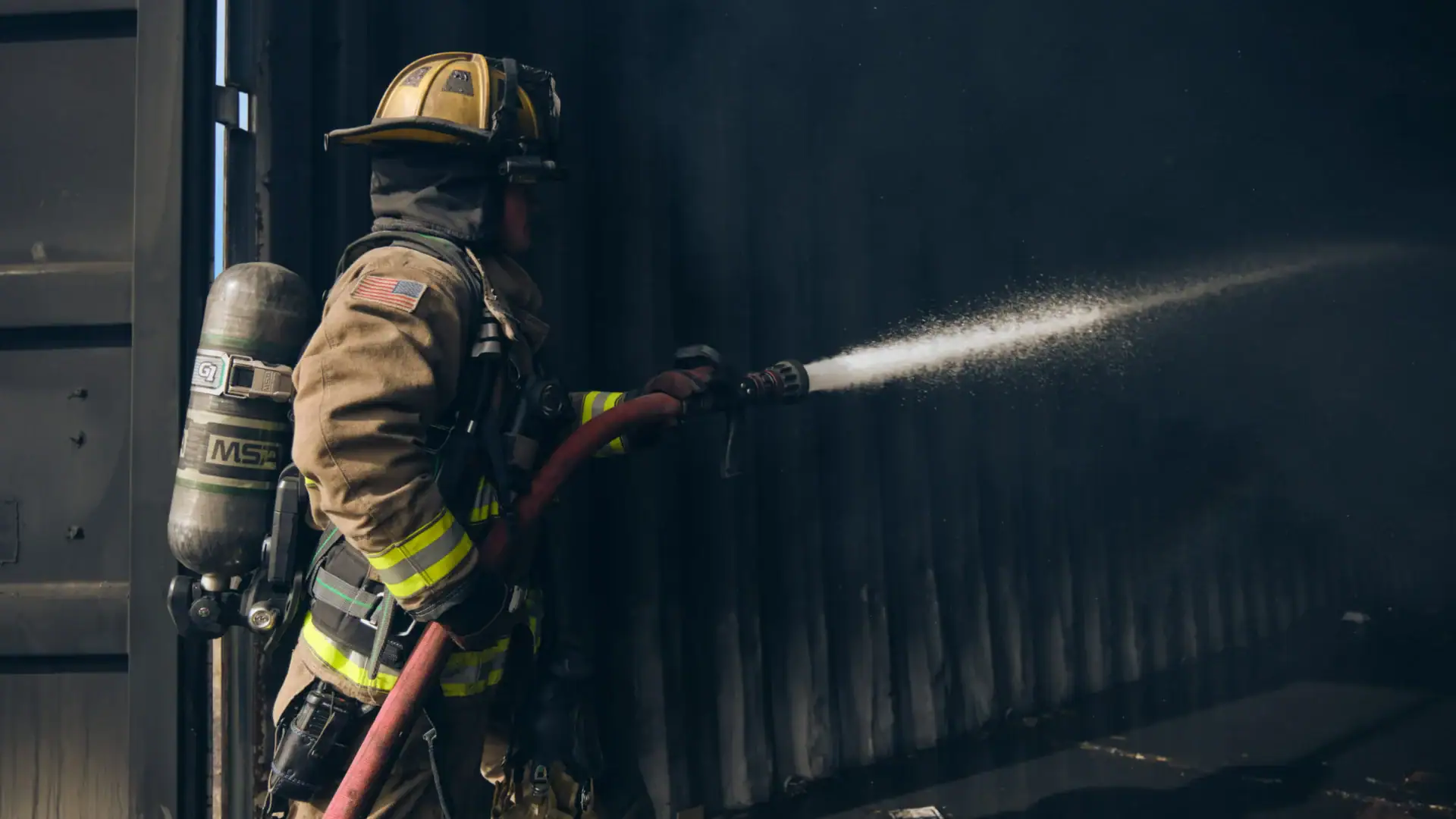
To protect the people and ecosystems we serve, Tri-State has constructed and deployed a multi-layered mitigation plan. Our current approach is broken down into two categories: situational awareness and risk reduction.
Situational Awareness
Preventative situational awareness is the first line of defense for fire mitigation. We’re making data-driven decisions to ensure our resources are being used efficiently and effectively. We’re replacing wood structures with steel structures, wrapping the bottom of wood poles with fire-resistant material, and working with employees to limit the types of work done on red flag days (i.e. no chainsaws on dry days, no drones on windy days.)
Wildfire Mitigation 1-Sheeter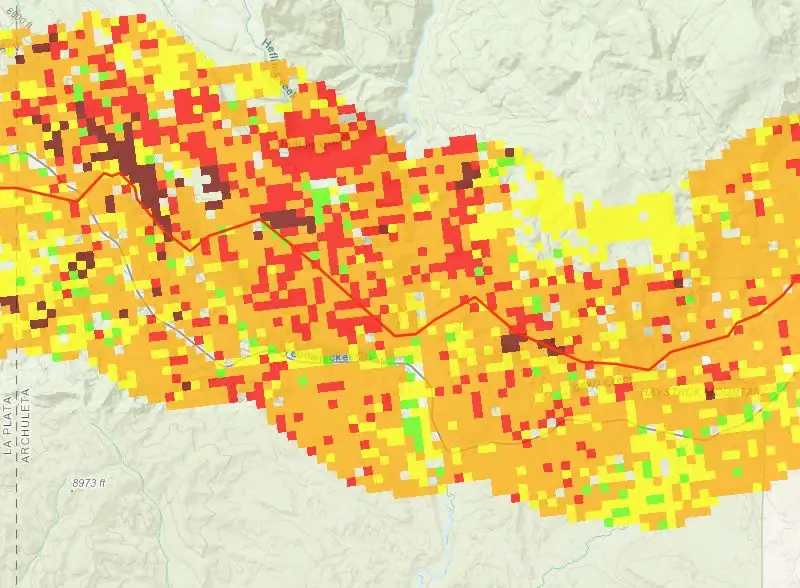
Tools and Technology
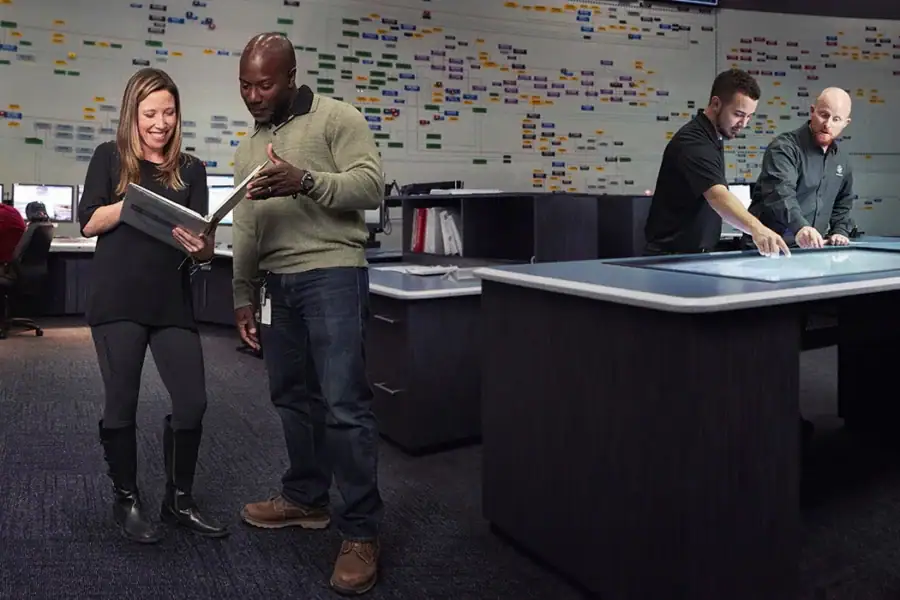
With 24/7 monitoring, risk modeling and daily reporting, Tri-State can be both proactive and reactive. If an anomaly like a fallen tree branch is detected on a line, our operations team is able to see and respond to voltage fluctuations in real time. Or, if an area with high ground fuels is facing prolonged drought conditions, we can put a plan together to mitigate that risk.
-
Wildfire Risk Modeling
We evaluate thermal hotspots, wind, smoke, drought, wildfire fuel track severe weather events. With this data, we’re able to make meaningful decisions when considering methods to lower risk such as veg management plans and operational settings.
-
Drone Inspections
Putting drones in the hands of our professionally trained and experienced field employees has drastically reduced line inspection time, saved labor costs and decreased hazardous man-hours, all while increasing the level of detailed information we receive in a timely, cost-effective manner.
-
Daily Reporting
Every day of the year, we conduct geographic analysis and data visualization while integrating active fire data layers to assess and monitor conditions. Data drives operational controls and safe field work practices to reduce the risk of accidental ignition of a wildfire.
-
Collaboration
Tri-State has a dedicated internal wildfire steering committee and we host an annual wildfire summit. In addition to state and federal organizations, we are also members of the Western Regional Mutual Assistance Agreement and coordinate relief during large-scale emergencies.
Risk Reduction
Tri-State uses our risk modeling and reporting data to plan where we spend time, labor and capital. We harden our system by clearing and controlling our right-of-ways (the area around power lines), making our structures more resistant to fire, and adapting field techniques based on wildfire risk.
Read our vegetation management resource articleSystem Hardening
System hardening is crucial to maintain grid reliability and minimize disruptions caused by natural disasters, but it is a time, labor and capital-intensive process that requires large-scale programs that can take years of planning and permitting. The work is well worth the returns to safeguard our system and provide reliable, safe and affordable power.
-
Vegetation Management
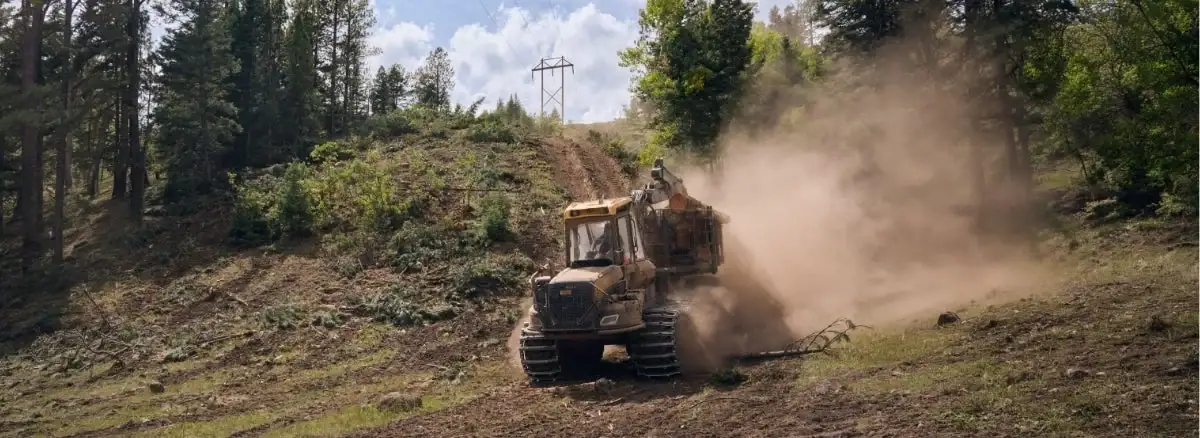
We remove “danger trees” – any tree or its parts that may fall on a line because of damage, defect, or disease. We also remove trees or shrubs growing into our line and clear fire fuels beneath it.
-
Specialized Equipment
In addition to All Hazard Alert software, we also dedicate heavy equipment such as helicopters, masticators and bucket trucks to help us navigate difficult terrain and protect the habitat. For example, Tri-State uses helilogging to reduce environmental impact and remove fire fuels.
-
Field Techniques
Depending on wildfire conditions, we change how our employees work in the field. For example not using drones on windy days or limiting chainsaw use on red flag days. From the desk to the field, Tri-State takes a multi-layered approach to mitigate risk.
Our Members in Action
Across our cooperative, we take fire mitigation seriously. Alongside Tri-State’s efforts, our members conduct vegetation management to protect the homes, businesses and properties of their end consumers.
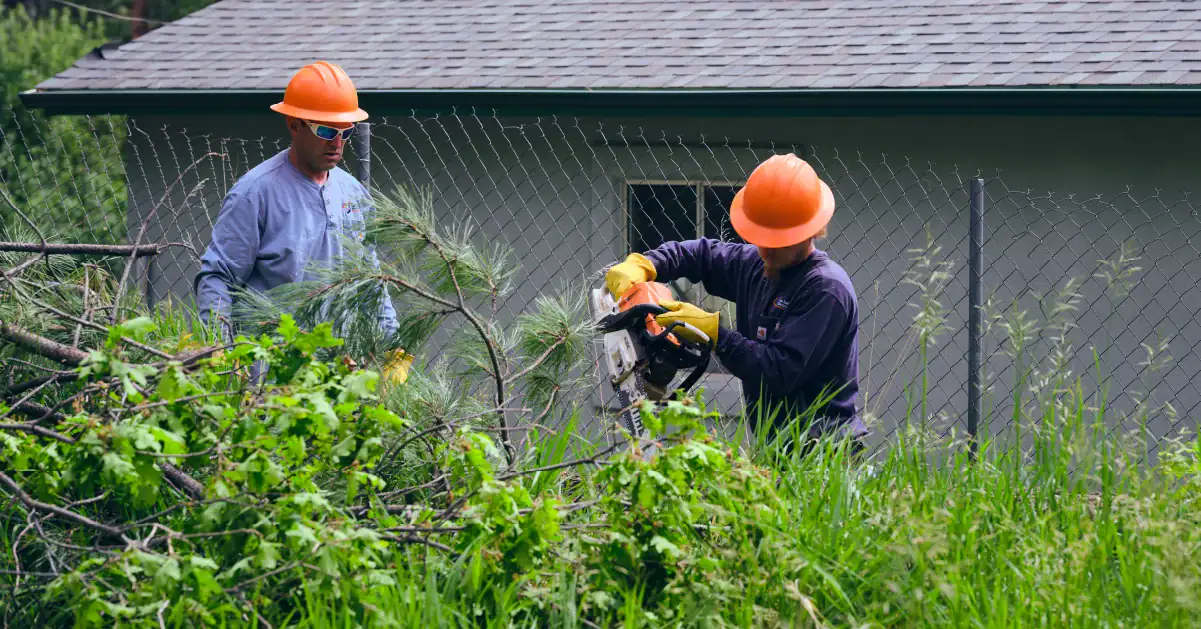
SMPA is Pioneering Fire Mitigation Efforts on Colorado’s Western Slope
Electric utilities play a critical role in society by providing the essential service of electricity. However, this service also carries significant responsibilities, especially in areas prone to wildfires. Wildfires have a massive impact on electric utilities in several ways including structural damage, power outages, and increased costs. For those living in wildfire areas, it’s a growing concern.
Read moreTri-State Features the La Veta Fire And Flood, Colorado
In July 2018, the Spring Creek Fire burned more than 100,000 acres in southern Colorado. San Isabel Electric Association (SIEA), serves some of the residents affected by the fire. And now, these same communities are at risk for potential flooding.
The risk of flooding will continue in this community for years to come until vegetation slowly regrows. We are proud of the dedication and commitment our member SEIA gives to their community.