
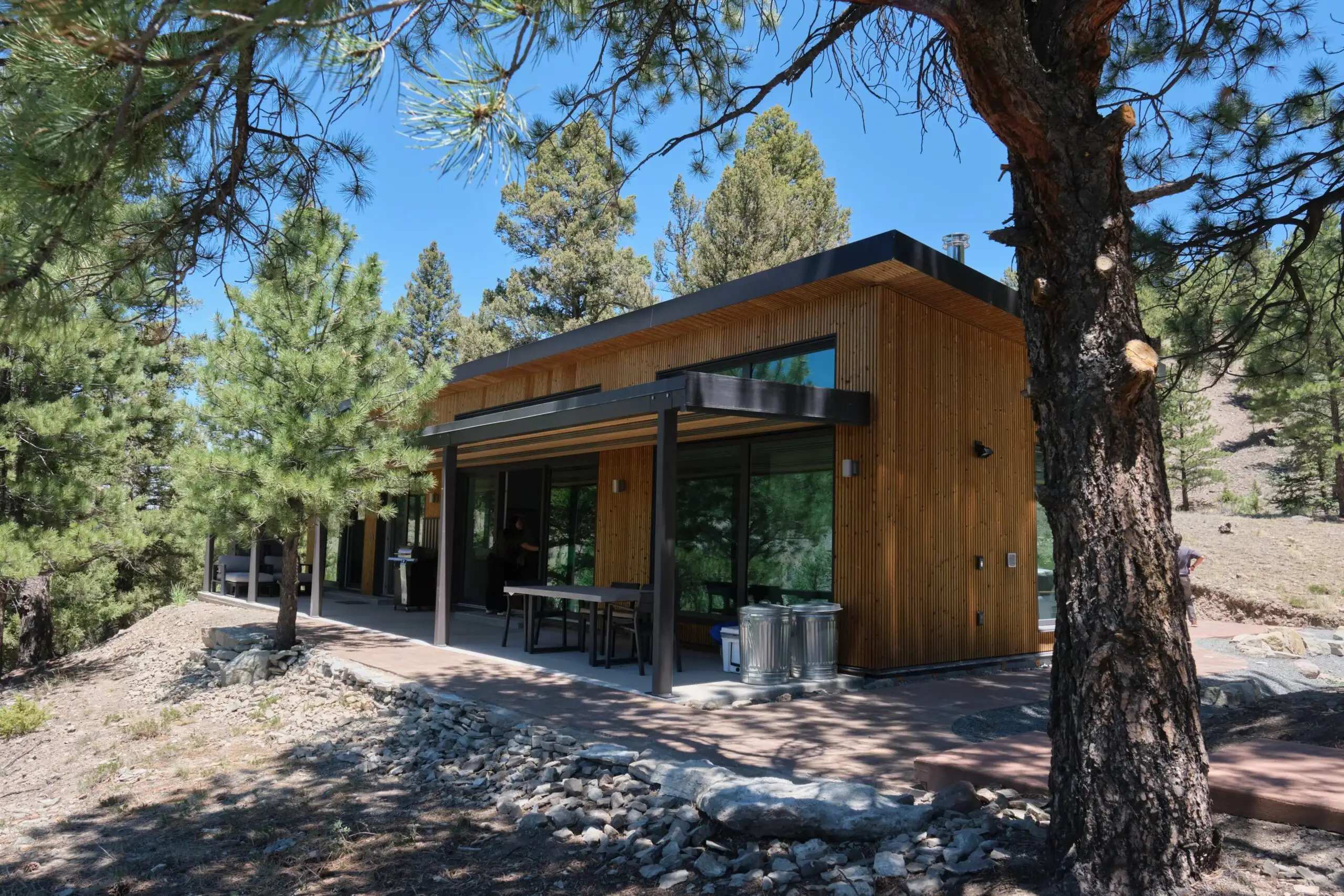
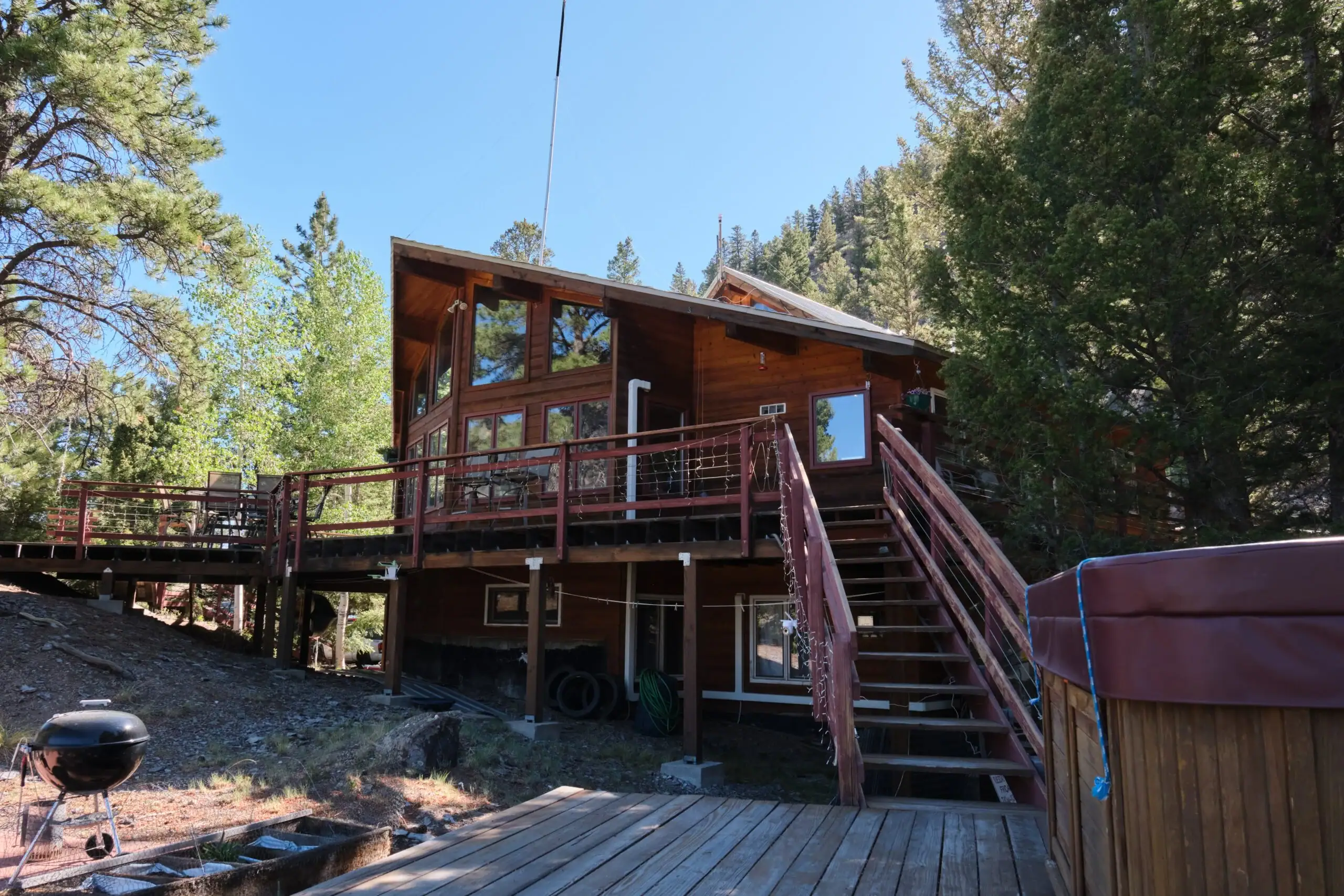
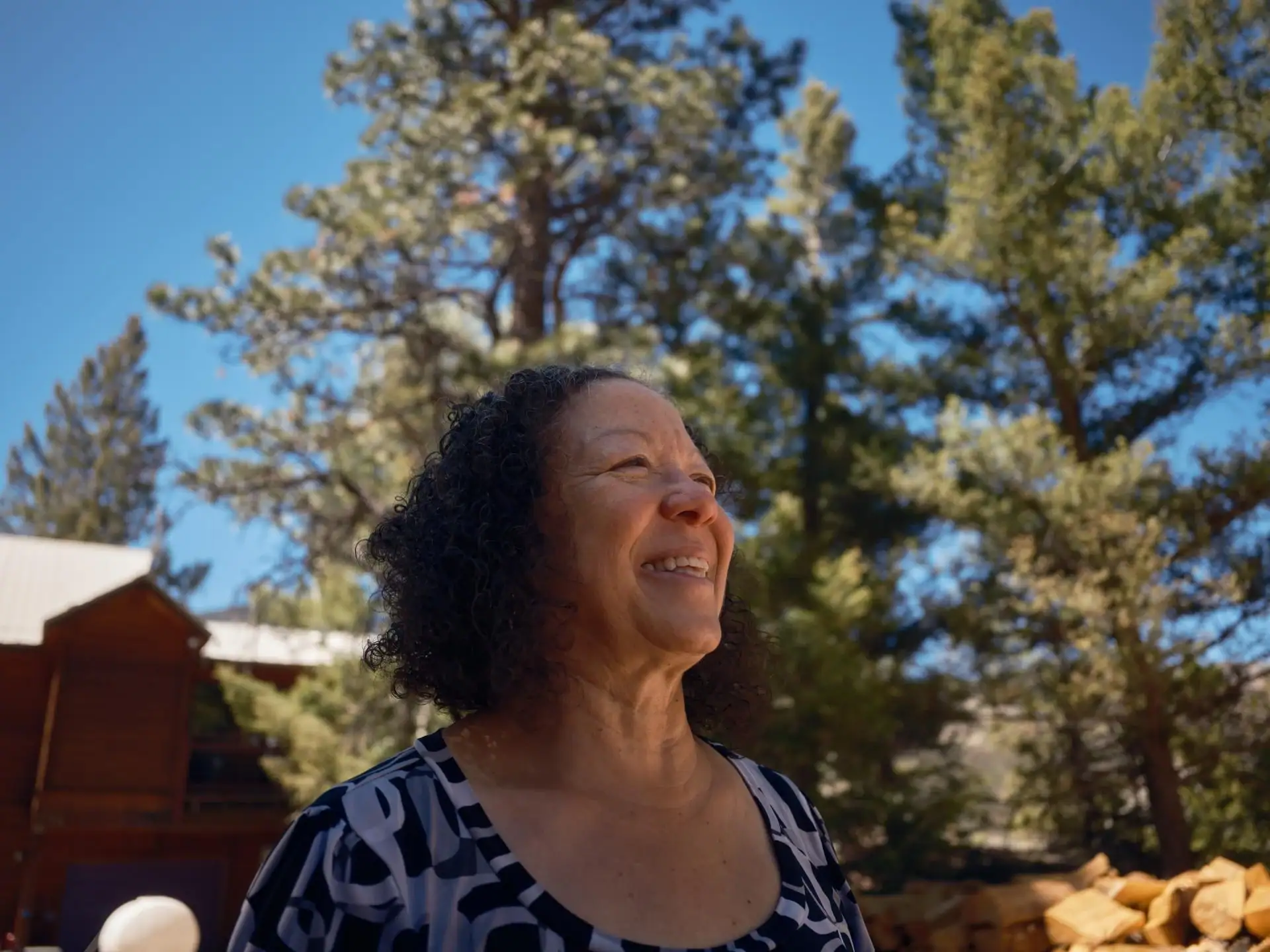
For more than two decades, Carol Robinson and Schuyler Denham heated their Lake City, Colorado, home with a wood stove. Every winter brought the familiar routine of sourcing firewood, hauling it home, stacking it, carrying it inside, and keeping the fire going. It was simply part of living in the mountains.

Oh Be Joyful: Creating a Cleaner Energy Future
Nothing happens without electricity, and every step toward cleaner power helps build a stronger future. Gunnison County Electric Association’s Oh Be Joyful project is part of a larger effort to expand renewable energy, reduce greenhouse gas emissions, and support the climate goals of the communities they serve.
Looking for comfort and efficiency
Over time, the routine became harder to maintain. Rising firewood costs made heating more expensive, while storing wood aggravated Carol’s allergies and introduced smoke and dust into the home.
When visiting a friend on the East Coast who had recently installed a mini split – a type of HVAC installation that can heat and cool a room – Carol began to see a different possibility for her own home. The couple started looking for a cleaner, more practical way to heat their house, which correlates with the growing interest in cooling solutions as summers in the mountains have become warmer.
Making the upgrade possible
As they explored options for improving comfort and reducing heating costs, the Lake City couple learned about financing and rebate programs available through their local electric cooperative, Gunnison County Electric Association (GCEA).
“GCEA is here to help our members navigate these decisions and provide programs to bridge gaps in funding,” said GCEA Member Relations Supervisor Alliy Sahagun.
Through GCEA, the Robinsons connected with Ray Alspach, a contractor who had completed the cooperative’s certification training and was familiar with its programs.
Stacking incentives for greater impact
The conversation with GCEA led Carol and Schuyler to pursue additional upgrades beyond a mini split installation. By combining federal, state, Tri-State, and cooperative incentives with financing through the On-Bill Repayment program, they reduced the upfront cost of several improvements, including insulation upgrades and a heat pump installation.

What changed?
Before the upgrades, the couple faced ongoing concerns whenever they left during the winter. A propane heater helped keep the basement above freezing, but the threat of burst pipes remained, and they always returned to a cold house. They didn’t get a chance to relax or check their mail but needed to start a fire immediately to warm up.
The mini splits have brought peace of mind. Carol and Schuyler can remotely monitor and adjust the temperature, helping prevent frozen pipes and even keep their plants alive. When they come home after a trip, they can settle in comfortably instead of rushing to do household chores, like building a fire.
Carol also noticed a significant reduction in her allergy symptoms as the mini splits reduced smoke, dust, and other pollutants in the home.
From one home to many
Home upgrades are not limited to existing homes. GCEA is also helping members explore what efficient living can look like from the ground up.
When Green Builder Media partnered with GCEA and Tri-State on its latest VISION House Series project, GCEA’s commitment to home electrification and member education became part of the story.
The Transcend open house event in July gave members an opportunity “to see a real-life example of a highly efficient home rather than read about it online or in a newsletter,” Sahagun said.
As visitors explored the home’s features, GCEA staff connected what they were seeing to rebates, financing opportunities, and energy-saving programs available through the cooperative. The project also provides valuable insight into how advanced home technologies can reduce energy use and lower demand during peak periods.
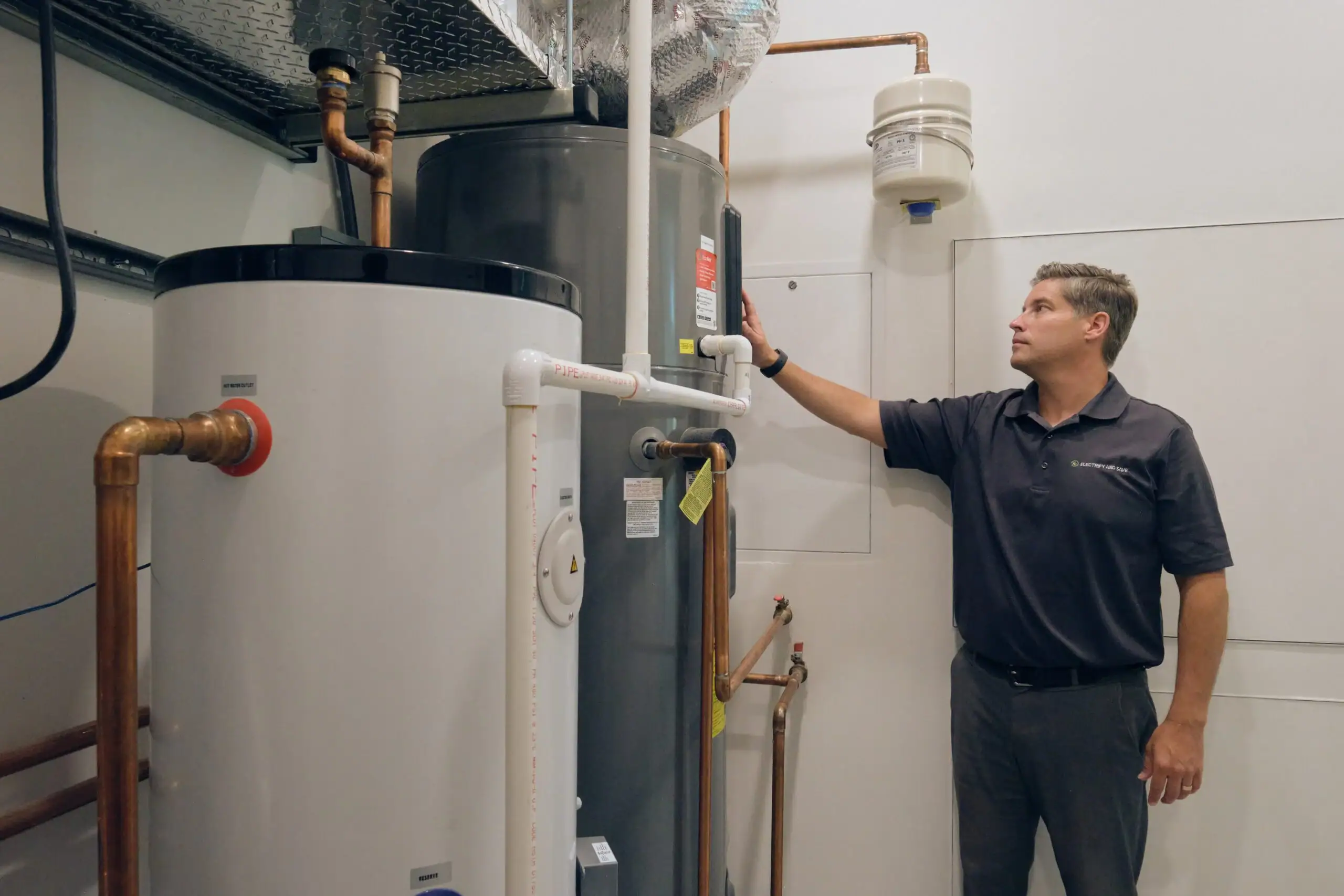
Tri-State Senior Electrification Manager Pete Rusin said the home helps connect broader efficiency concepts to real-world lifestyles. “Transcend Home and similar projects provide a space for homeowners to see home technology and feel it in a real way,” Rusin said. “The technology is not out of reach.”
Communities like Lake City face unique challenges and opportunities. Surrounded by mountains and separated from neighboring towns by rugged terrain, their needs differ from those of other regions served by Tri-State. Understanding those differences helps ensure members have access to solutions that fit their homes, lifestyles, and budgets.

Seeing what’s possible
Visitors touring the home saw how technologies such as heat pumps, induction cooking, residential solar, and smart controls can work together to create a comfortable home that uses less energy while maintaining year-round performance.
While the home showcases advanced technologies, Rusin emphasized that the goal is not to encourage members to build a net-zero showcase home. Instead, it is to help people understand that many of these improvements are already available and more affordable than they may realize.
According to Rusin, technologies like heat pumps can help reduce household energy costs, particularly in rural communities where energy burdens are often higher.

Local guidance, local support
Like Carol and Schuyler, members can work with their local electric cooperative to evaluate energy use, identify available rebates, and explore financing options that fit their household needs.
“One of the benefits of working with a local electric cooperative is that we live here and work here,” Sahagun said. “We understand the needs of this community, the local climate, and the contractors who serve the area. We can coach our members on a very personal level and help them find ways to save money and improve comfort in their homes.”
She said GCEA continues to see growth in participation in its rebate and On-Bill Repayment programs, signaling that members are increasingly taking advantage of the tools available to them.
Energy-efficiency upgrades can feel overwhelming or financially out of reach. For Carol and Schuyler, they provided a way to replace a decades-long heating routine with a solution that better fits their lifestyle. For visitors touring the Transcend Home, they offered a glimpse of what may be possible in their own homes.
In both cases, trusted information, local expertise, and cooperative programs helped turn energy-efficiency goals into reality. As communities continue looking for ways to improve reliability, manage energy costs, and prepare for the future, GCEA and Tri-State are working together to ensure members have the tools and support to take the next step.
For homeowners wondering what improvements might make the biggest difference, GCEA offers several ways to get started. Schedule an in-person energy evaluation for customized recommendations or use the DIY Energy Assessment Tool to explore opportunities for improving your home’s performance.
—
About Tri-State
Tri-State is a power supply cooperative, operating on a not-for-profit basis, serving electric distribution cooperatives and public power district member-owners in four states. Together with our members, we deliver reliable, affordable and responsible power to nearly a million electricity consumers across roughly 200,000 square miles of the West. Visit www.tristate.coop.