


Operations
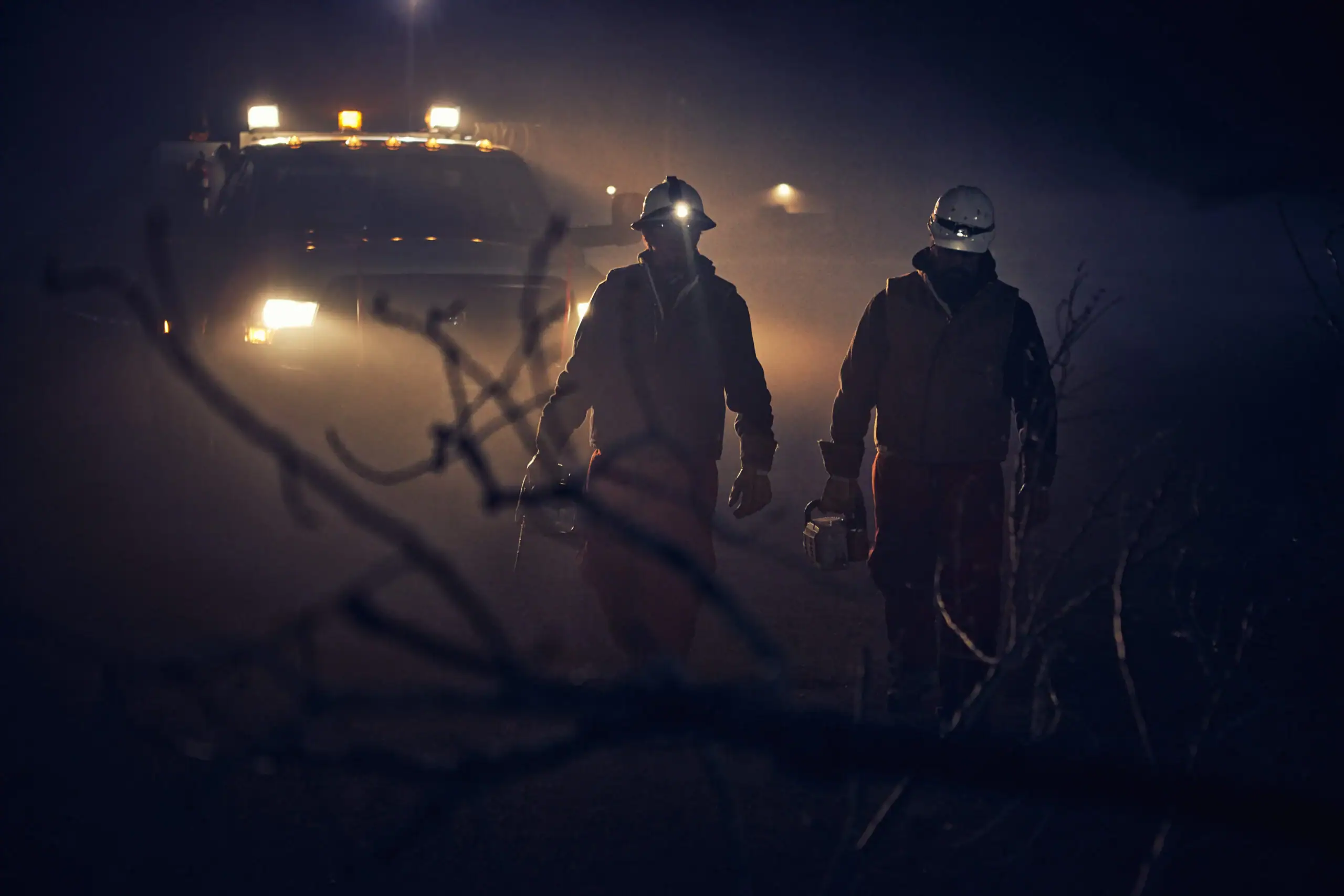
We work all through the night
From the high plains to the desert southwest, it’s a big job to supply reliable power to our members and their communities across nearly 200,000 square miles of the West. Learn about our core business operations including generation, transmission, environmental compliance and participating in energy markets.
Transmission planning & resources-
200
We have 200 transmission maintenance employees dedicated to infrastructure spanning nearly 200,000 square miles of service territory.
-
24/7/365
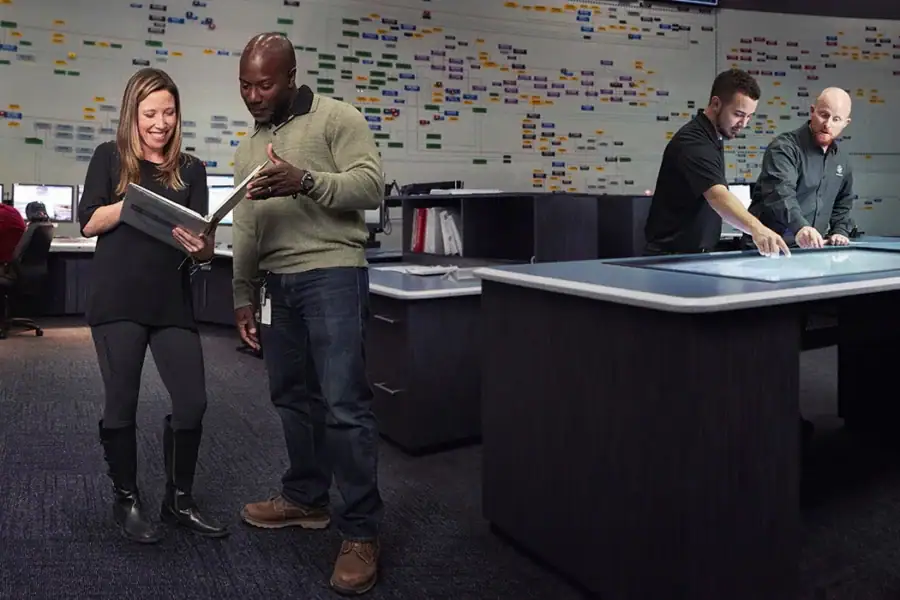
We staff two real-time power trading desks to buy, sell and monitor power supply and demand for Tri-State 24/7, 365 days a year.
-
1,250MW
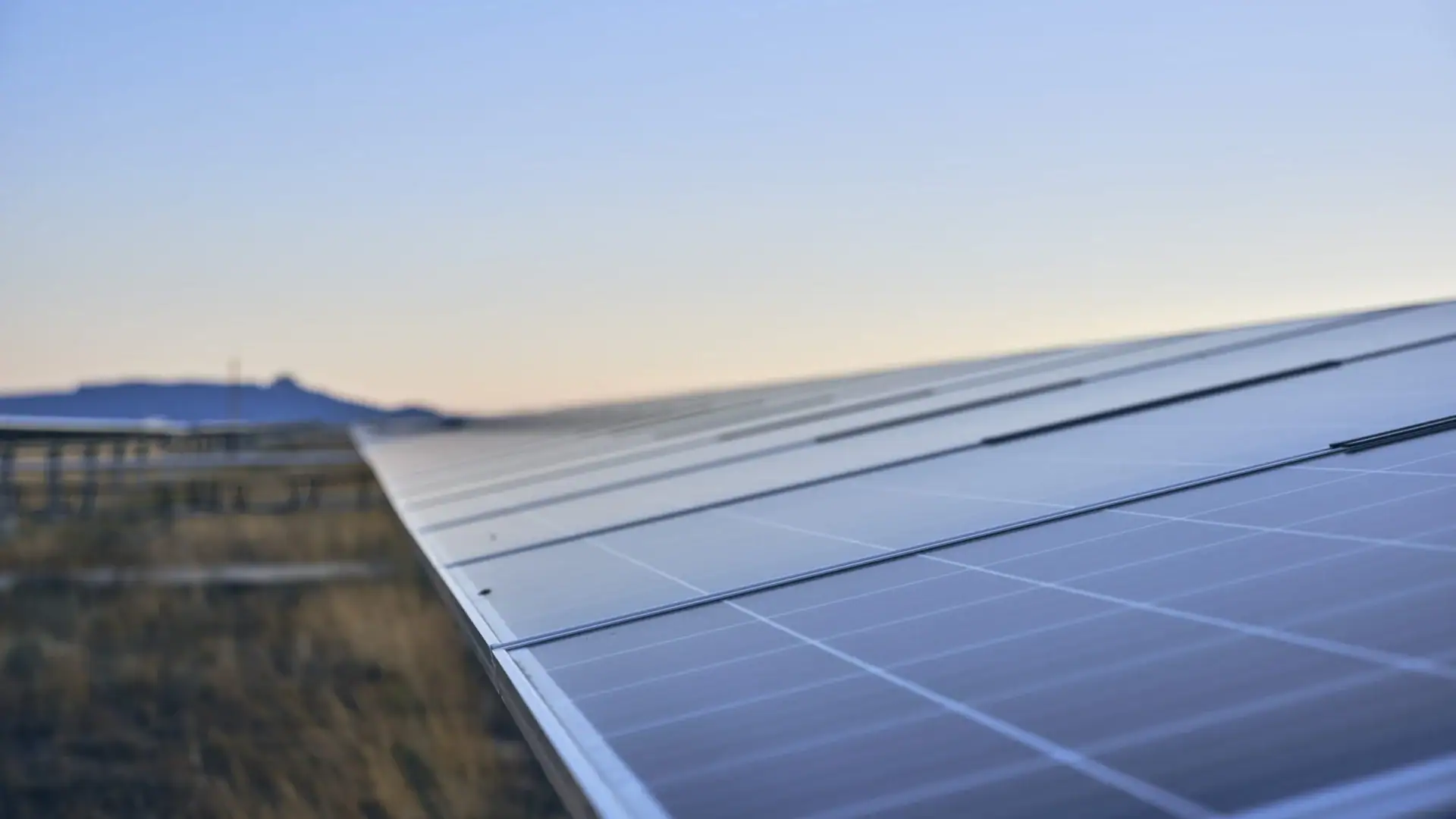
We’re adding 1,250 megawatts of renewables and battery storage to meet system needs and emissions goals.
-
Making electricity
Tri-State has dozens of power generation assets including renewables, coal and natural gas spread across our service territory. This diverse portfolio of assets helps us balance reliability and affordability.
-

Moving electricity
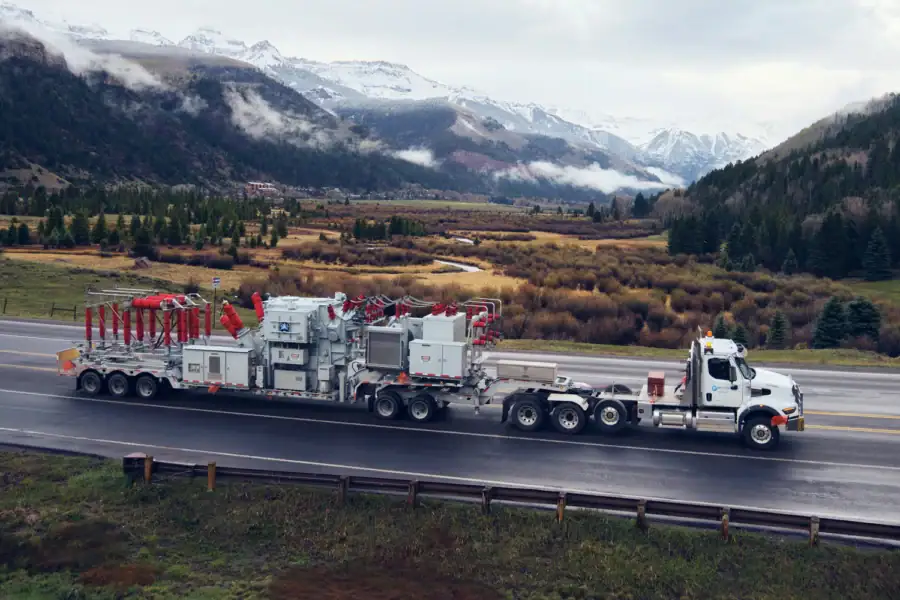
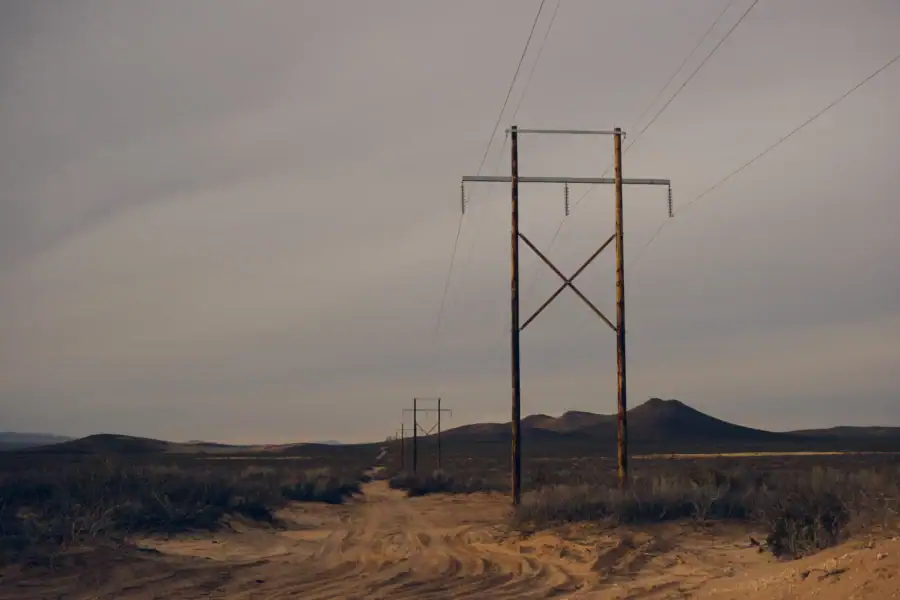
Tri-State owns and maintains thousands of miles of high voltage transmission across the rural West. This is how we move the electricity generated at renewable or combustion power to our members.
-

Environmental compliance
Tri-State’s long-standing environmental stewardship and resource management are rooted in the strong conservation ethic of our members and the rural communities they serve. This commitment begins with outstanding compliance and goes beyond to voluntarily support conservation initiatives.
-

Energy Markets
We monitor market conditions and coordinate energy transactions that maximize our generation and transmission resources to ensure reliable, cost-effective power for our members.
Environmental Compliance
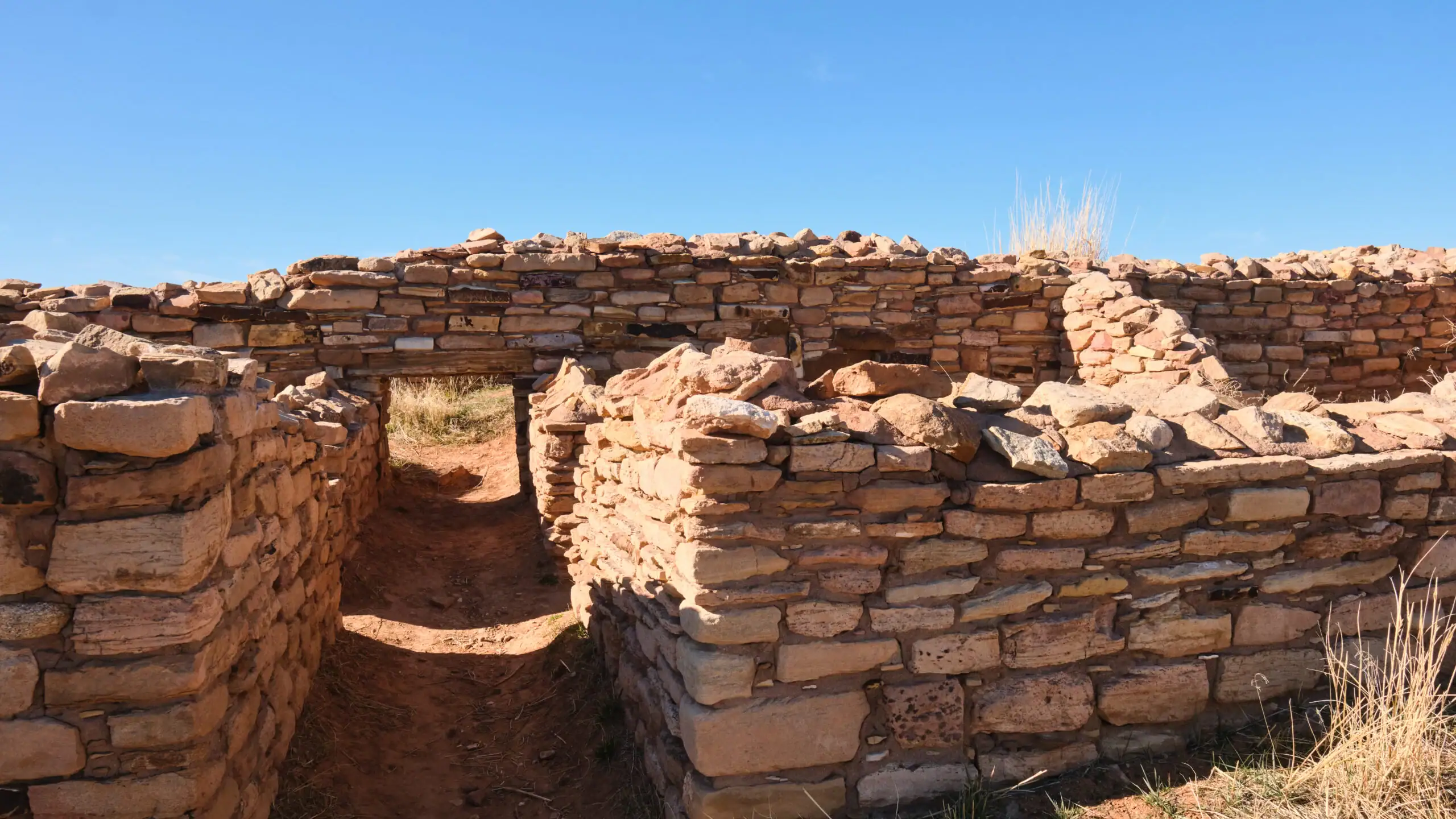
Protecting Culture and Community
Due to wildfire risk, Tri-State needed to perform transmission maintenance while protecting cultural resources in the Canyons of the Ancients National Monument.




Operational resources
Access tools, data, and operational resources for stakeholders, market participants, and authorized users.
View the authorized traders, schedulers and other wholesale market personnel at Tri-State Generation and Transmission Association.
Contact us [email protected]
On April 17, 2015, the EPA published the Hazardous and Solid Waste Management System; Disposal of Coal Combustion Residuals from Electric Utilities: Final Rule in the Federal Register. The CCR Rule regulates the disposal of CCR in surface impoundments and landfills as a solid waste under the Resource Conservation and Recovery Act (RCRA). As required by 40 CFR 257.107, Tri-State maintains data and information to demonstrate compliance with the CCR Rule on its publicly accessible internet site. Those reports are available at each site through the Coal Combustion Residuals link provided below.
To request Network Model Data, complete this form. If you have any questions, please contact [email protected].
Access for Tri-State G&T, Western Area Power Administration and Xcel Energy use. The NCJCP area is password protected.
The Northern Colorado Joint Communications Project (NCJCP) consists of three entities: Tri-State G&T, Western Area Power Administration and Xcel Energy. It was formed to provide a low-cost replacement for aging analog communications systems that were wholly owned by each entity.
On June 10, 2014, the United States Environmental Protection Agency issued a final risk-based approval to members of the Utility Solid Waste Activities Group, including Tri-State, to dispose of non-liquid PCB remediation waste generated at secure utility assets with as-found PCB concentrations <50 parts per million in non-TSCA approved landfill facilities, including municipal solid waste landfills.
At Tri-State, procurement is all about securing the right materials, equipment, and services to keep reliable, affordable energy flowing to our members. From sourcing transformers and power line materials to negotiating service contracts, we ensure every purchase supports our mission of delivering safe, efficient, and cost-effective power. By working closely with trusted suppliers and prioritizing value, compliance, and sustainability, our procurement team helps keep the lights on across our cooperative network.
Electric resource planning (ERP) for resources involves developing and assessing alternative scenarios based on a range of growth rates, resource costs, capital costs, types of generation resources, energy efficiency programs, levels of emissions, water usage and other considerations. Various resource plan scenarios are compared on the basis of cost, reliability, environmental characteristics and other factors.
Operating under the cooperative principles, Tri-State seeks to keep members and the public informed. Your participation in this process is encouraged.
Learn moreIf you are an Interested Party* who would like to request access to supporting documentation, please complete this form. Once you have a login, access supporting documentation here.
To access Tri-State’s OATT filings and protocols, please click here. If you have any questions, please contact Tri-State Transmission Rates.
*An “Interested Party,” as defined in Tri-State’s OATT rate protocols includes, but is not limited to, customers under the Tri-State Tariff, state utility regulatory commissions, and state attorneys general.
Each year, Tri-State develops a 10-year transmission plan that assesses future transmission needs for Tri-State’s member electric cooperatives. The transmission component of this plan is developed in conjunction with West Connect and the Colorado Coordinated Planning Group (CCPG), formal regional transmission planning organizations recognized by the Western Electricity Coordinating Council (WECC).
As part of the Colorado Public Utilities Commission (COPUC), Rule 3627, Tri-State files its 10-year transmission plan with the COPUC on a biennial basis each February 1.
For more information, to send us your questions or comments regarding our transmission plans, or to be added to the stakeholder outreach list for future transmission planning meetings, please email [email protected].
Tri-State continues to invest in transmission infrastructure to ensure dependable power delivery to its member cooperatives throughout its four-state service territory. The West’s vast power supply network is currently strained – improvements and expansion to the system are essential to enhancing regional power reliability.
Additional transmission facilities open the door to diverse energy resources that include renewable energy. The investments in additional lines support renewable energy projects by alleviating transmission constraints to make projects economically viable. Expanding Tri-State’s transmission network facilitates the G&T’s ongoing pursuit of additional renewable resources.